
Sketch to logo in seconds.
Start with a rough sketch or a napkin drawing. The AI refines it into polished, production-ready logo directions you actually want to present. 45+ styles, full control, SVG export.
Try Sketch to Logo
No credit card required. Free plan available.
Sketch in, polished logo out
45+ styles from one sketch
Vector & PNG export
Commercial license
Trusted by creators at
Shopify
Webflow
Notion
Figma
Canva
Dribbble
HOW IT WORKS
Three ways to start with the AI.
Pick one. You can switch anytime.
Text To Logo
Sketch To Logo
Image To Logo
Text to logo
From Idea to Logo in Seconds.

Step 1
Describe your logo idea
Write it however you want. AI will optimize your prompt

Step 2
Select one of 11 distinct logo styles
Test your idea across alllogo styles, without reprompting

Step 3
Generate logo options
Get up to 4 options every time you generate, .
Try Text to Logo






Pictorial
Logotype
Mascot
Monogram
Engraved
Line Art
Retro
Cartoon
Badge
ABSTRACT
Flat
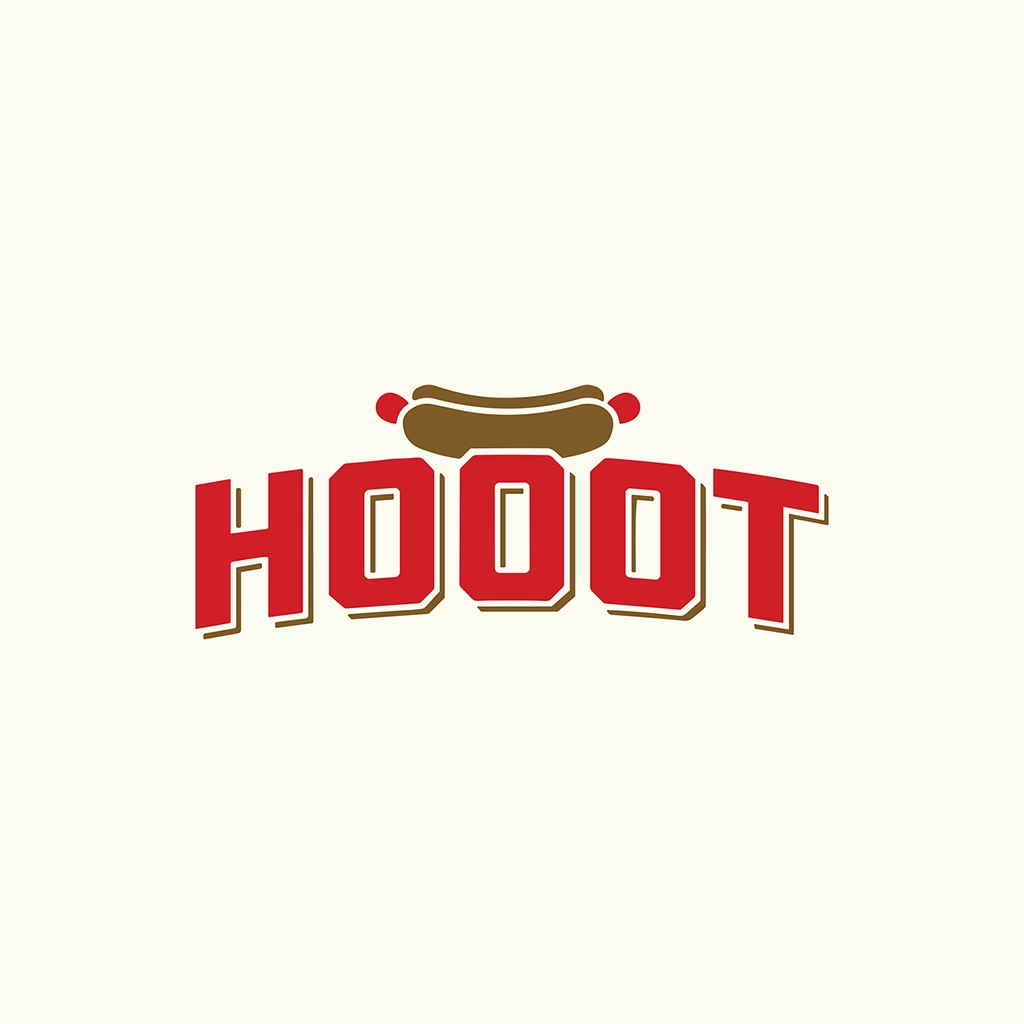
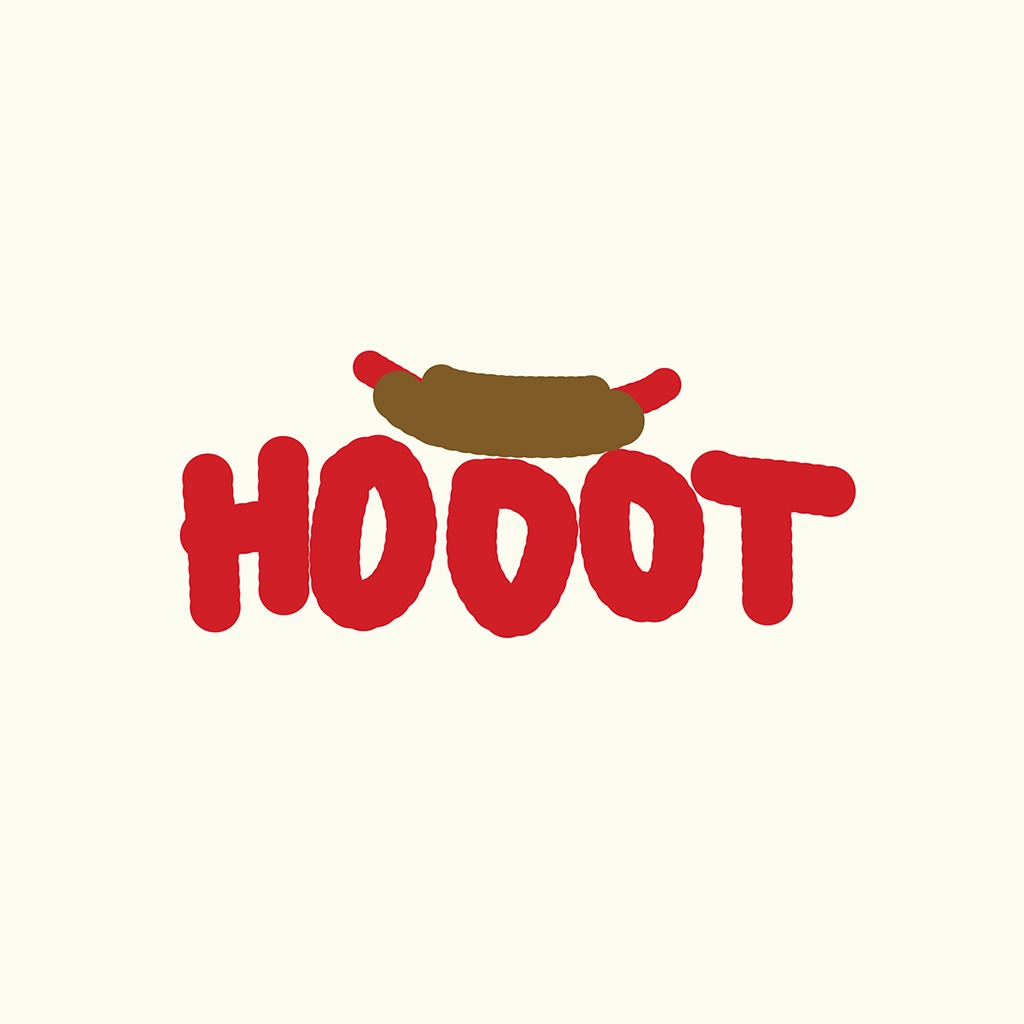
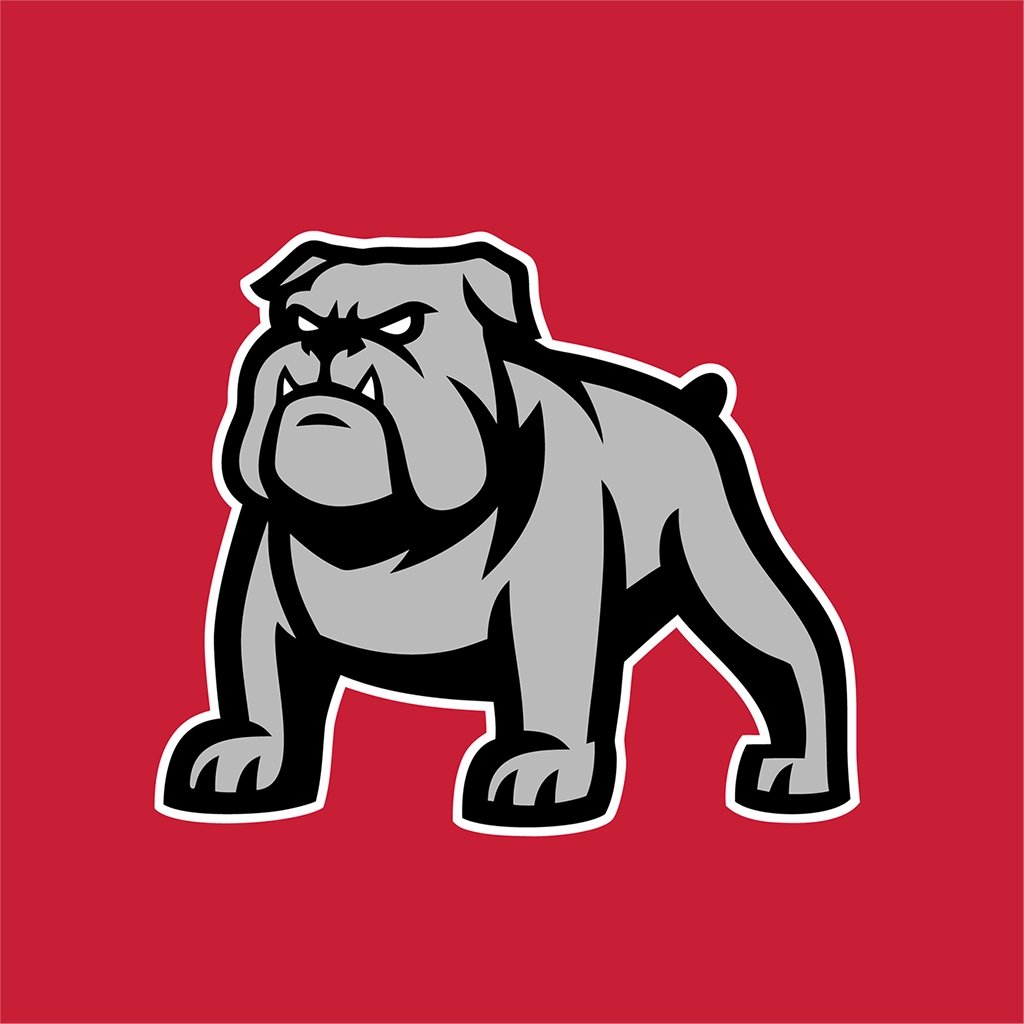
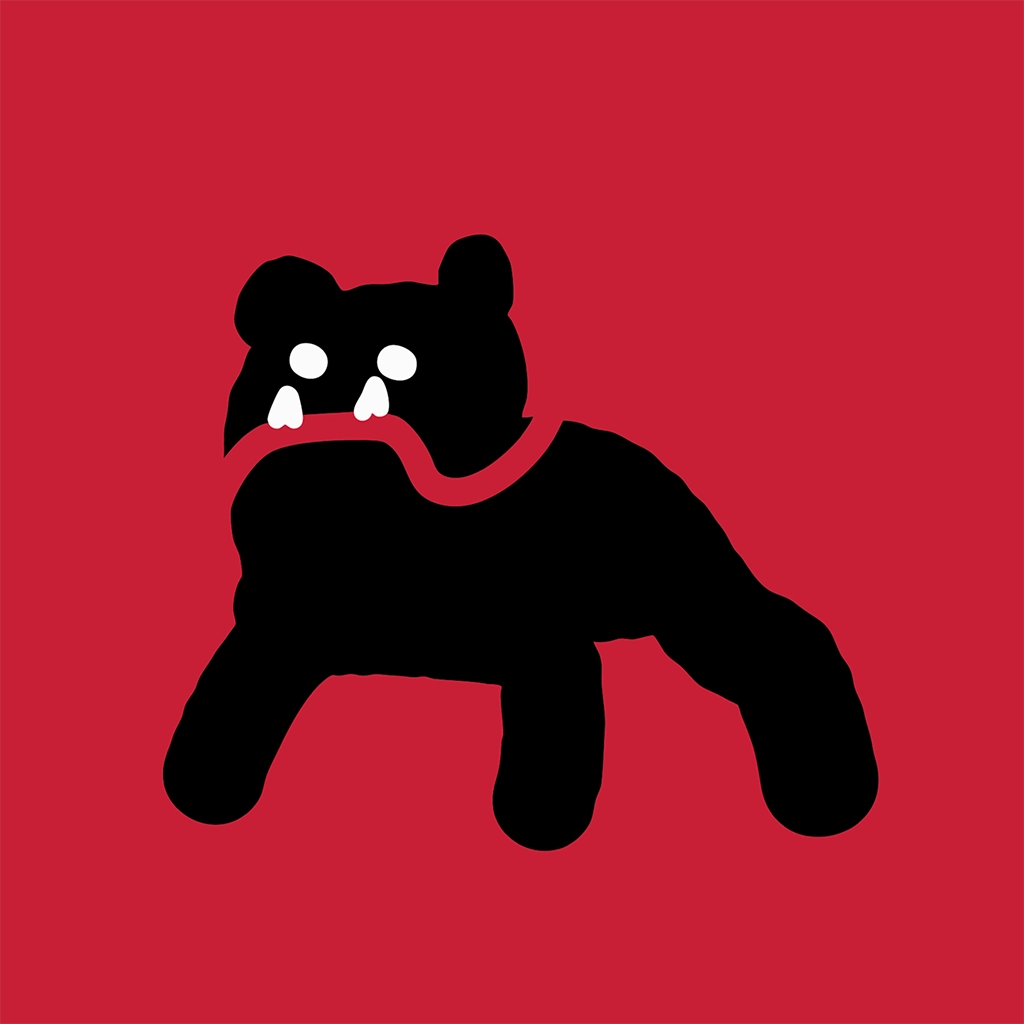
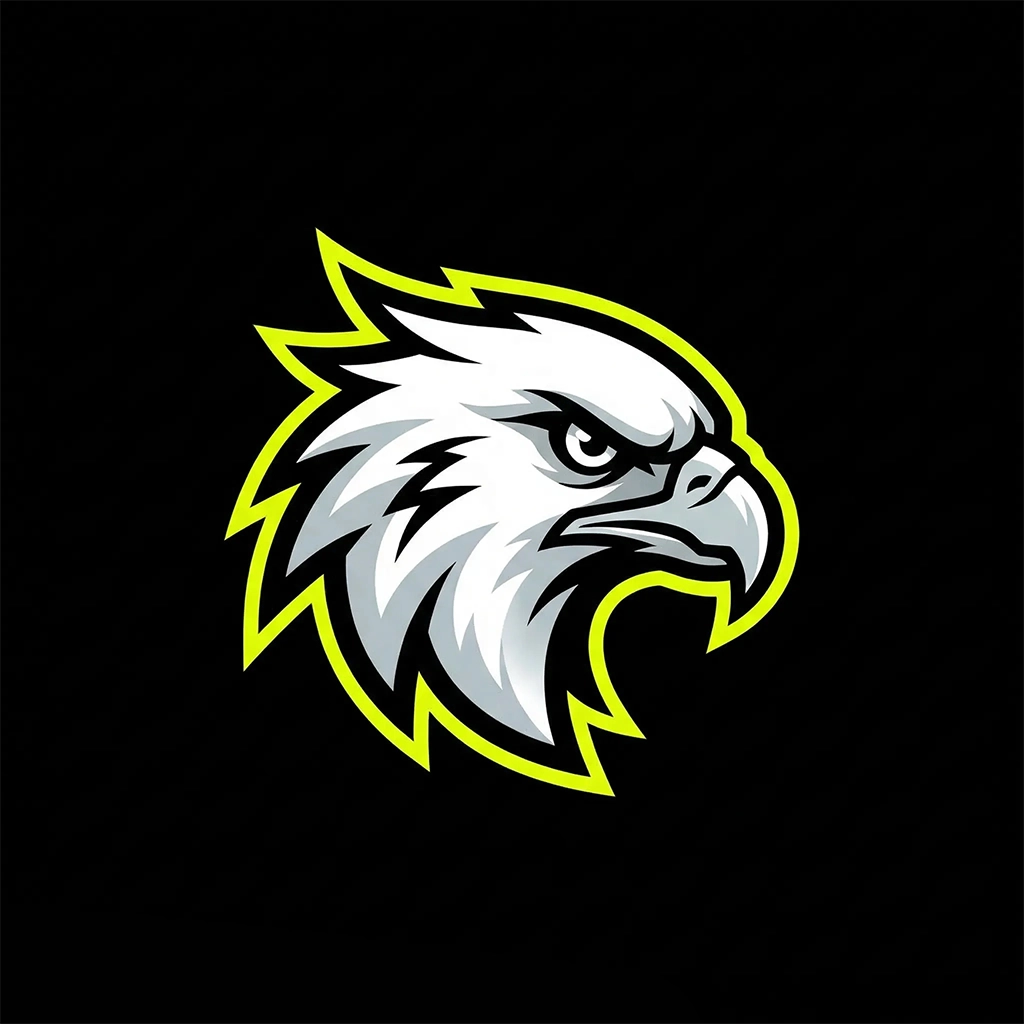
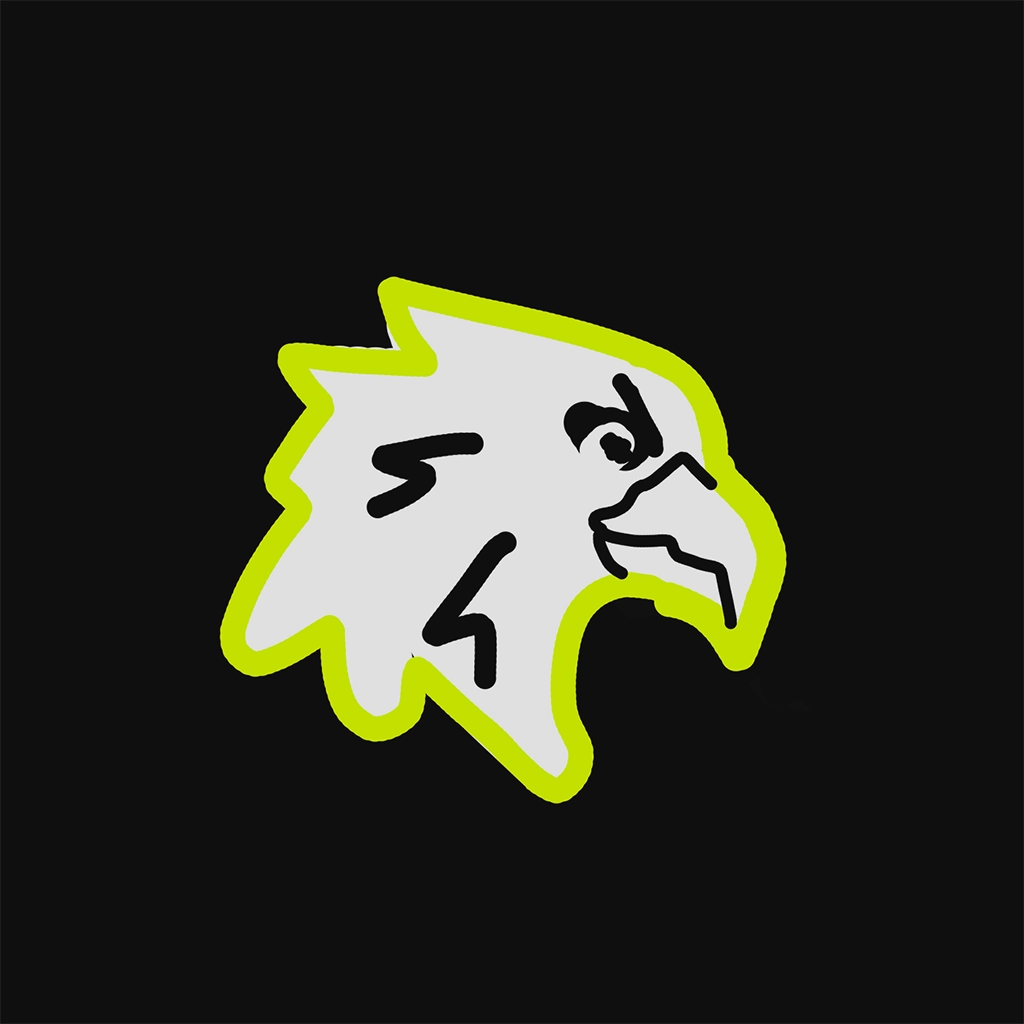
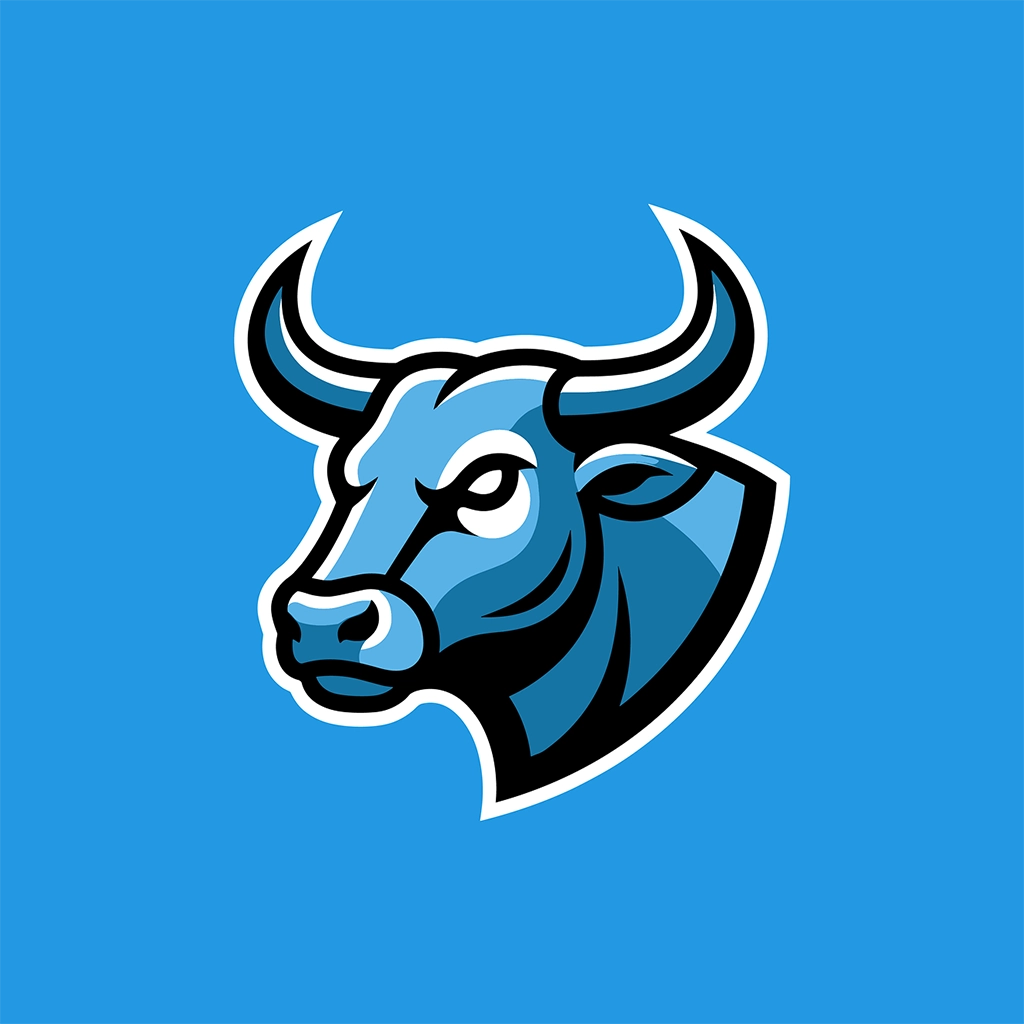
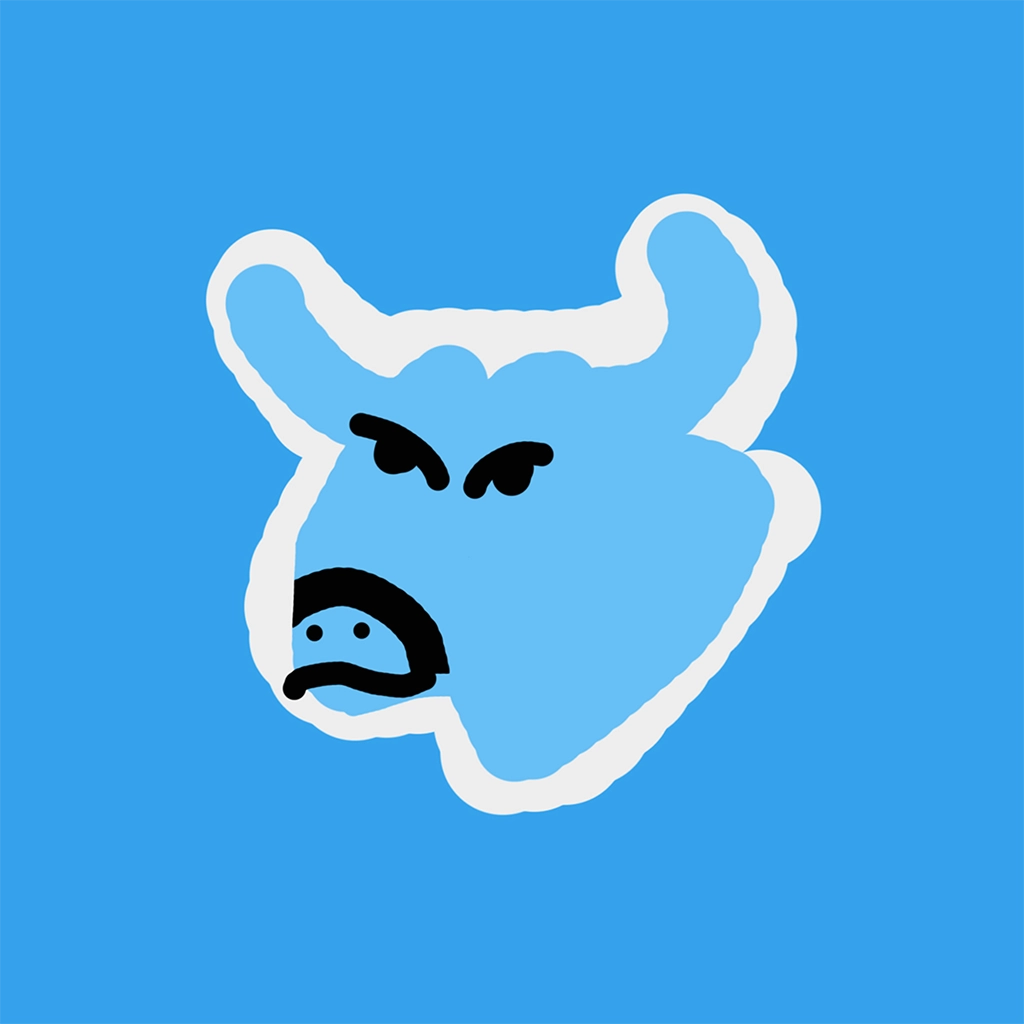
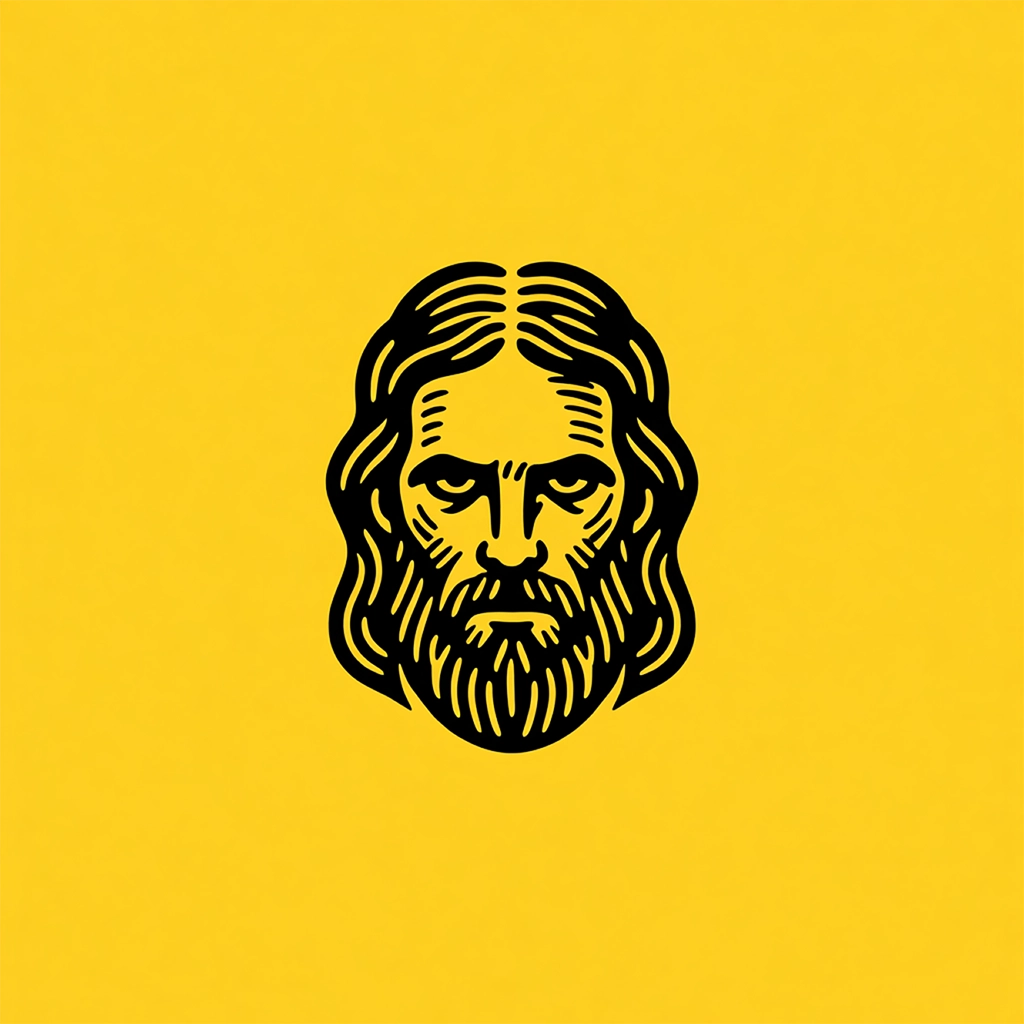
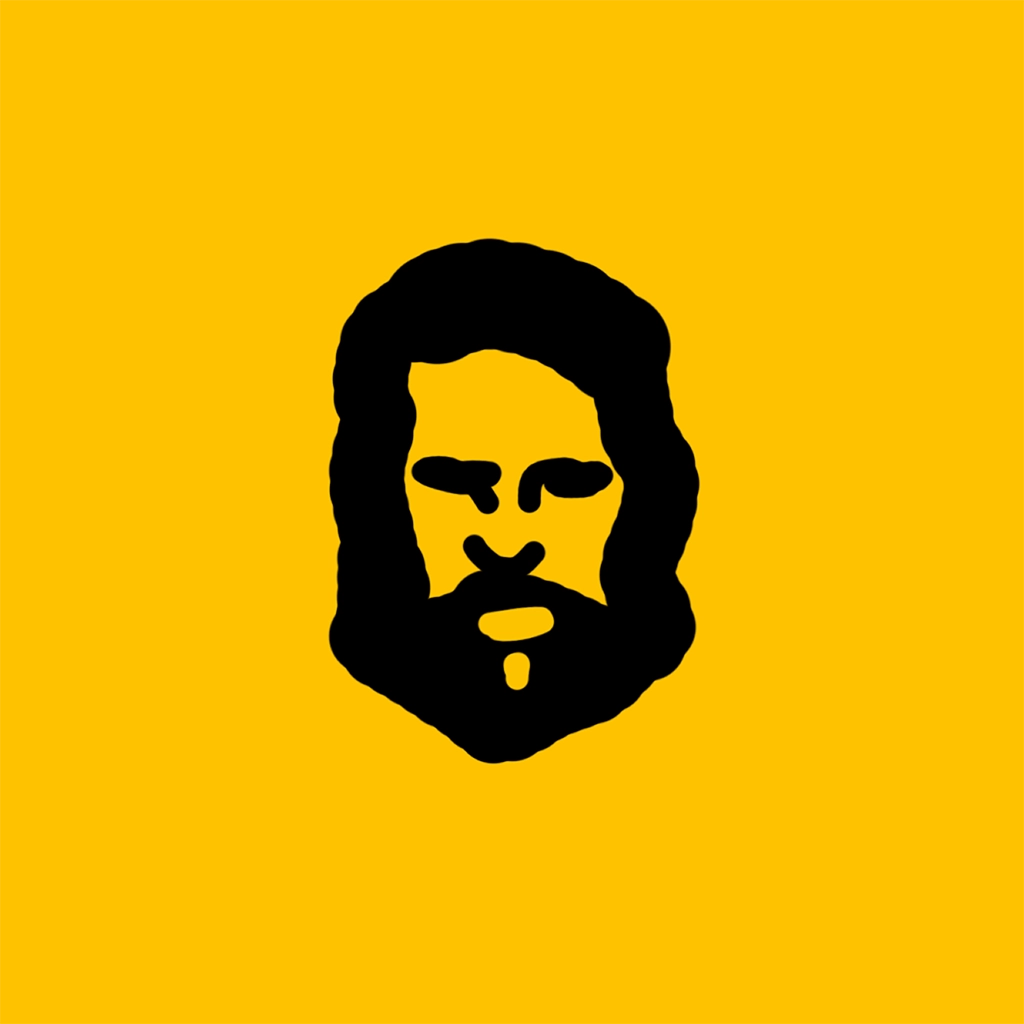
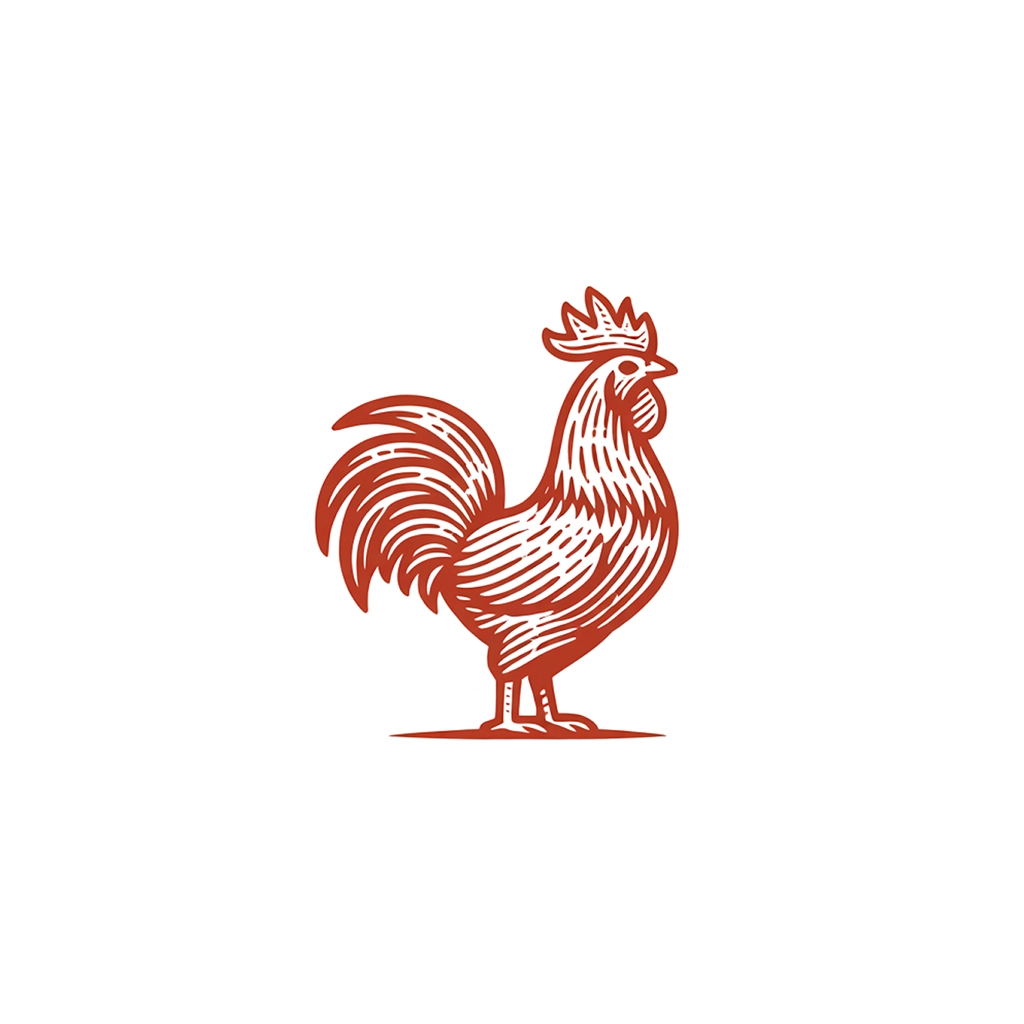
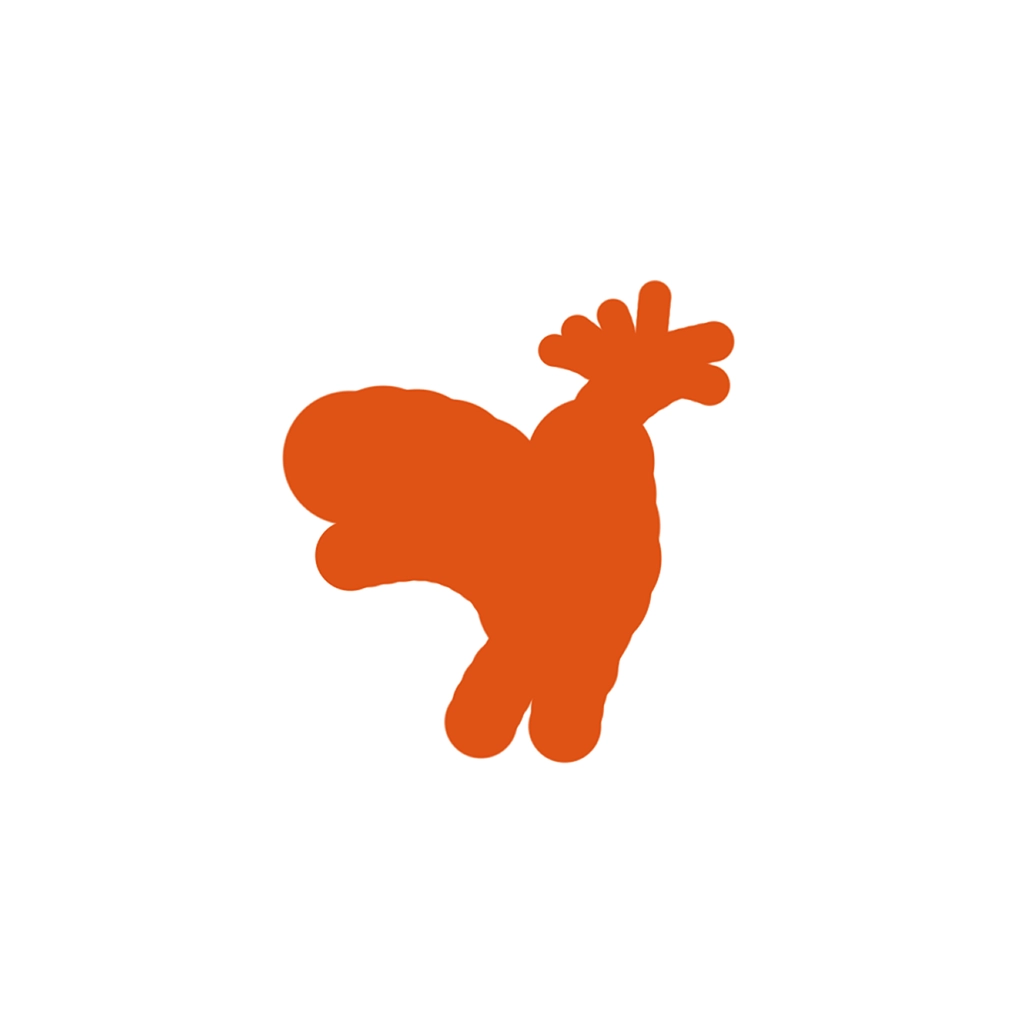
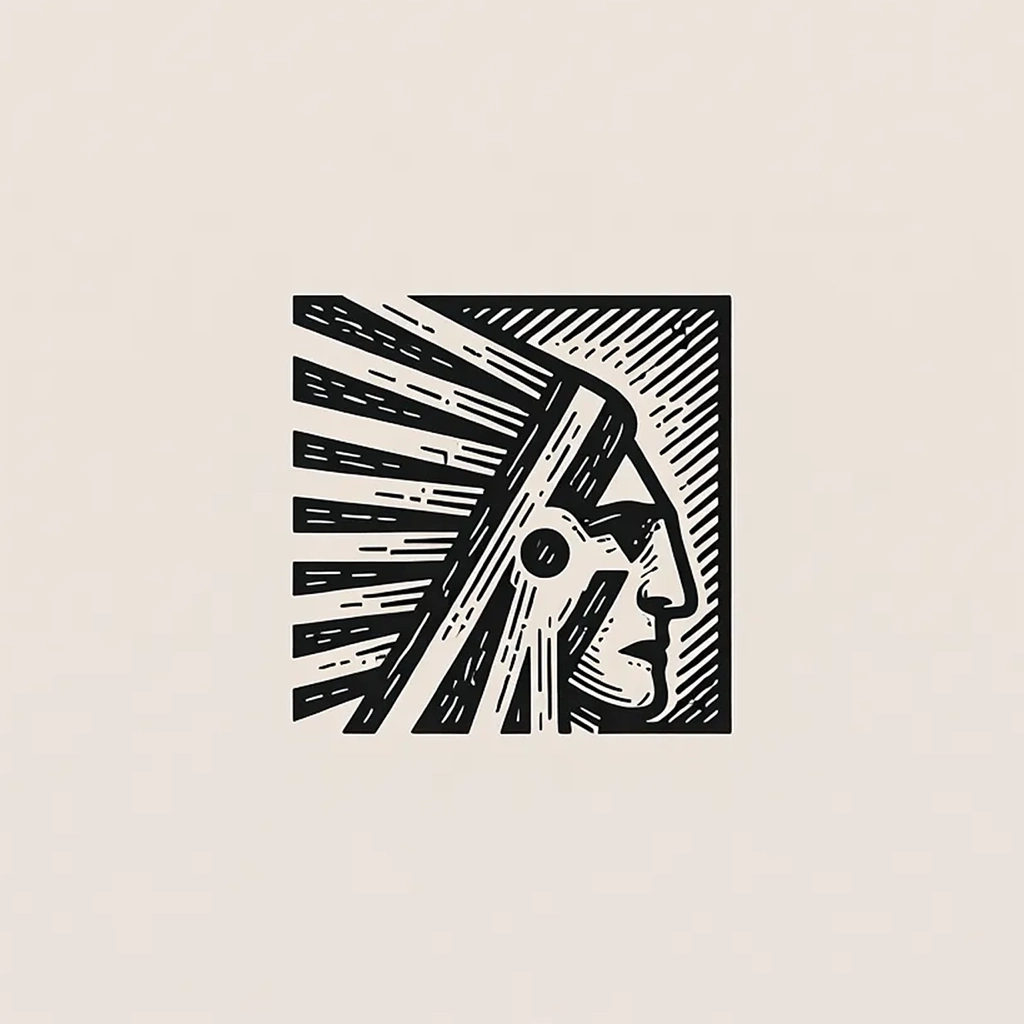
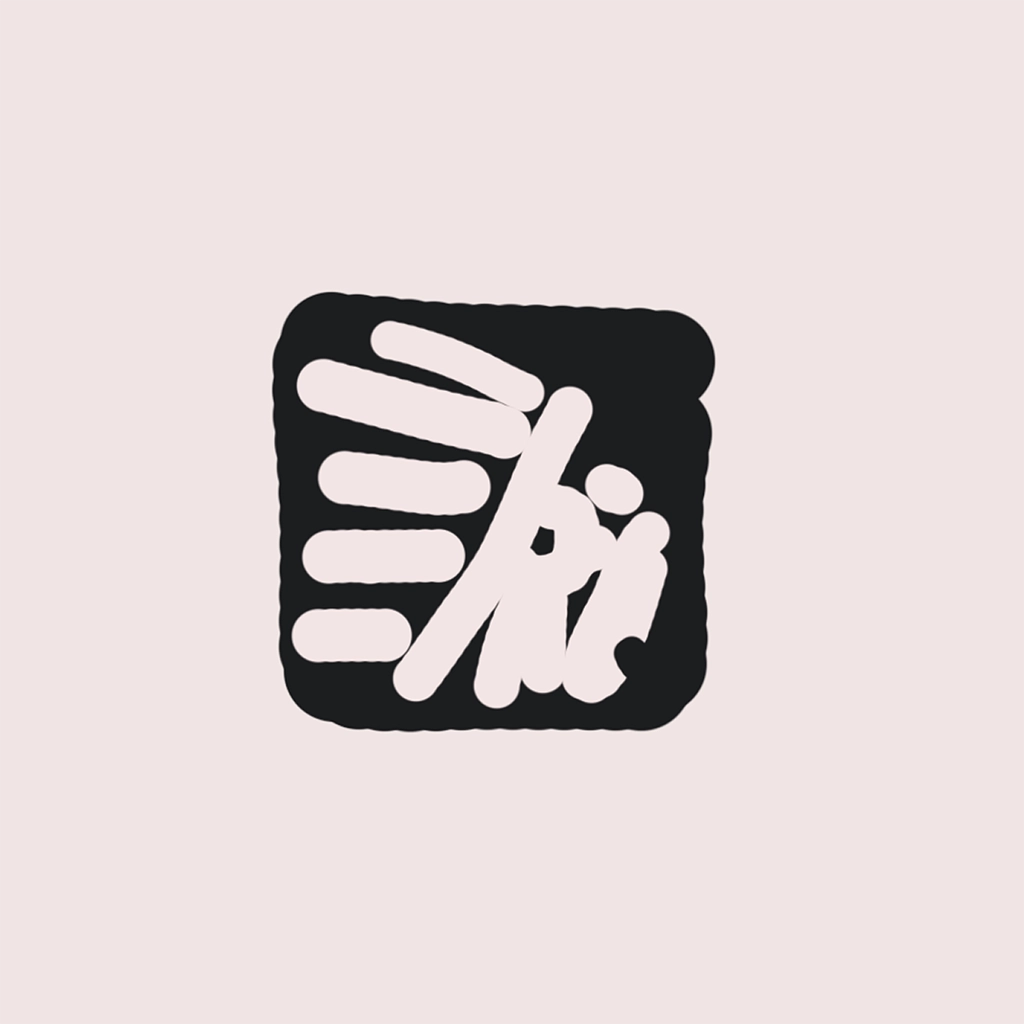
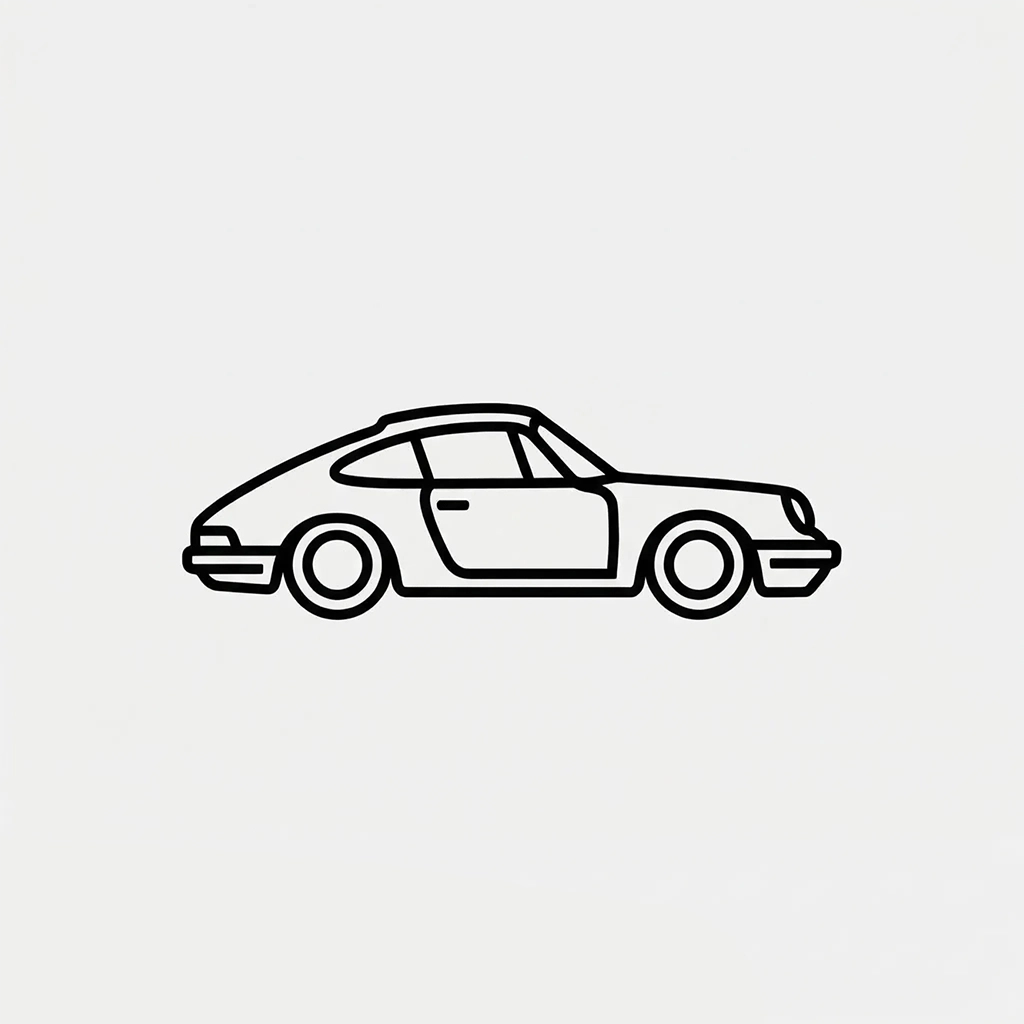
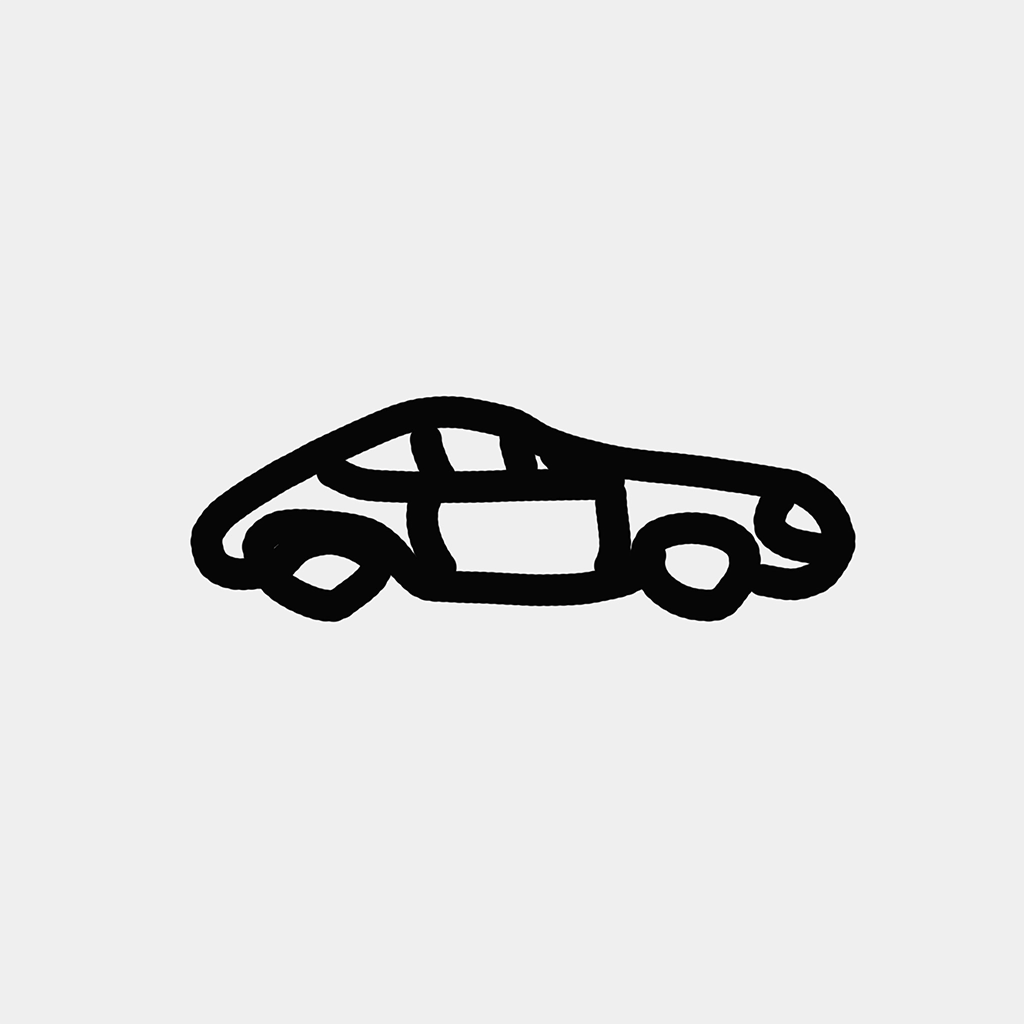
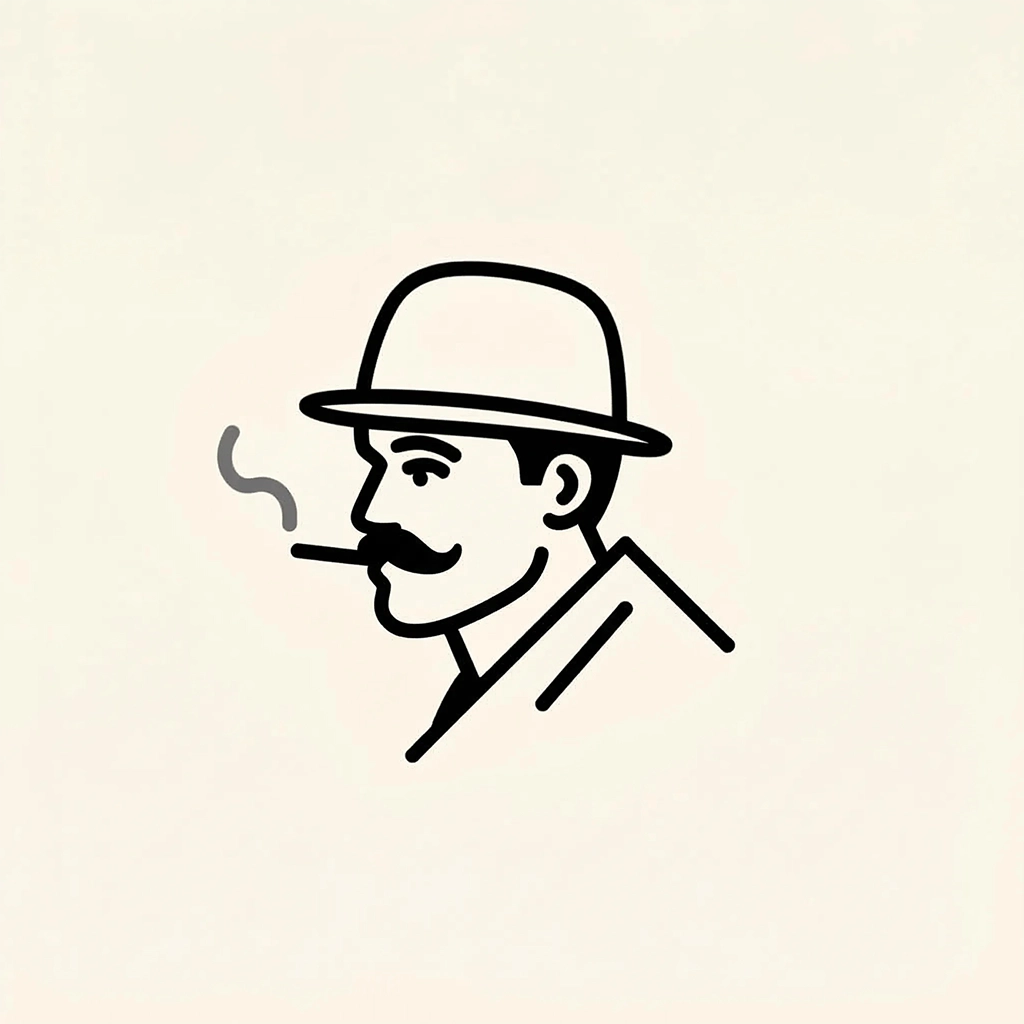
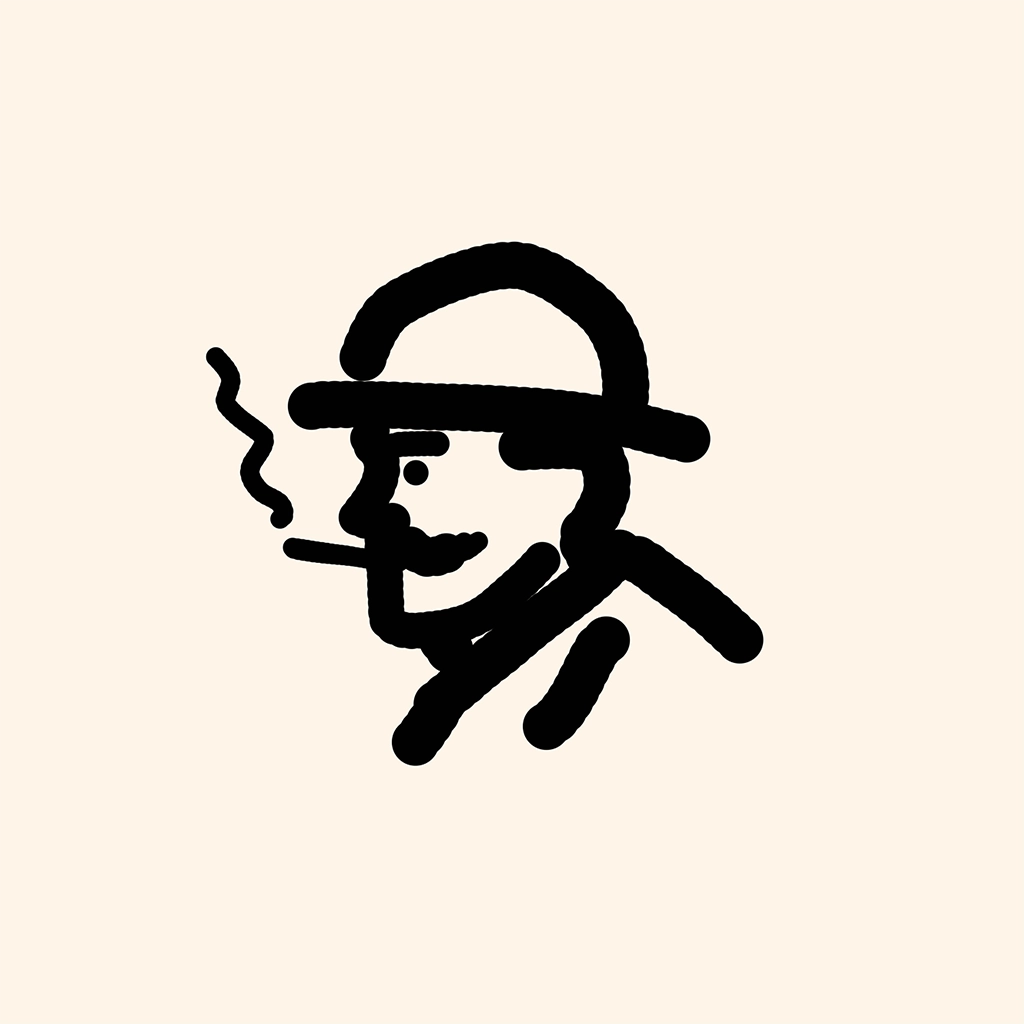
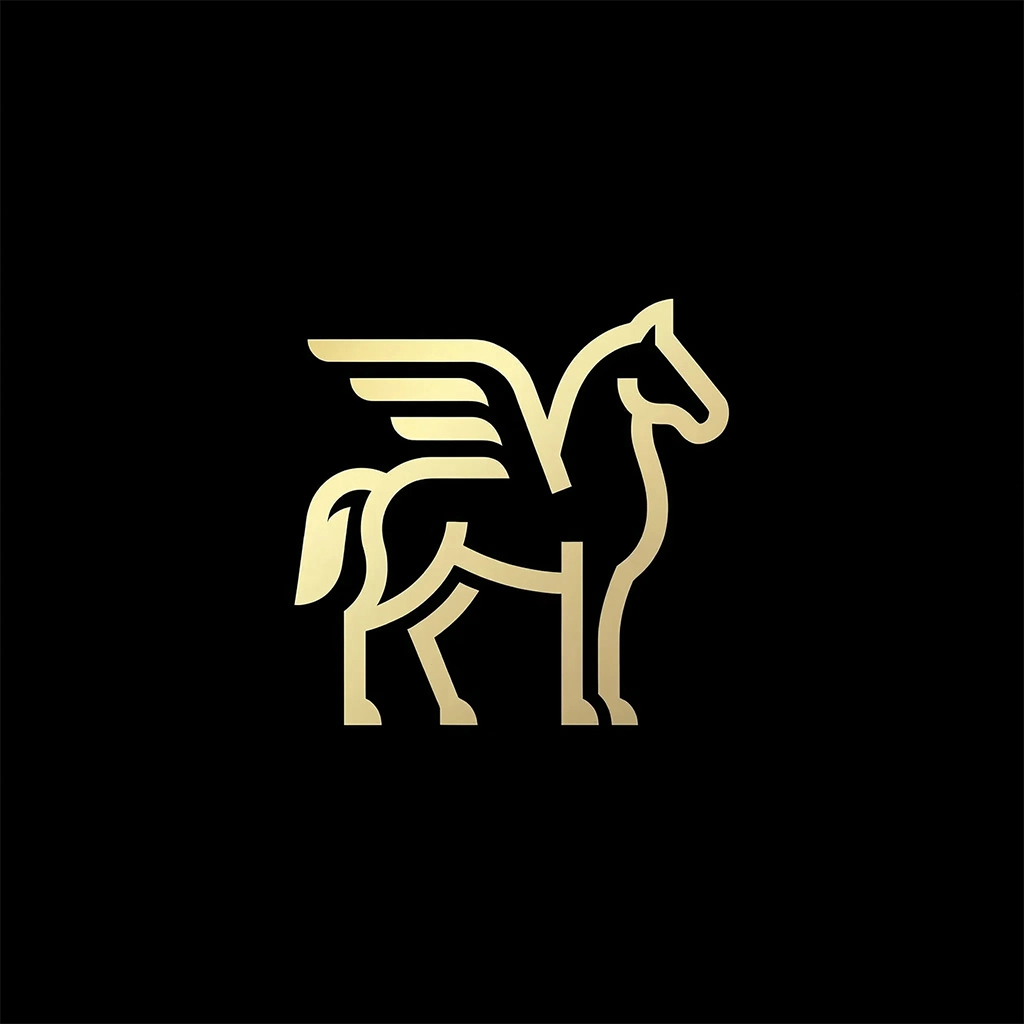
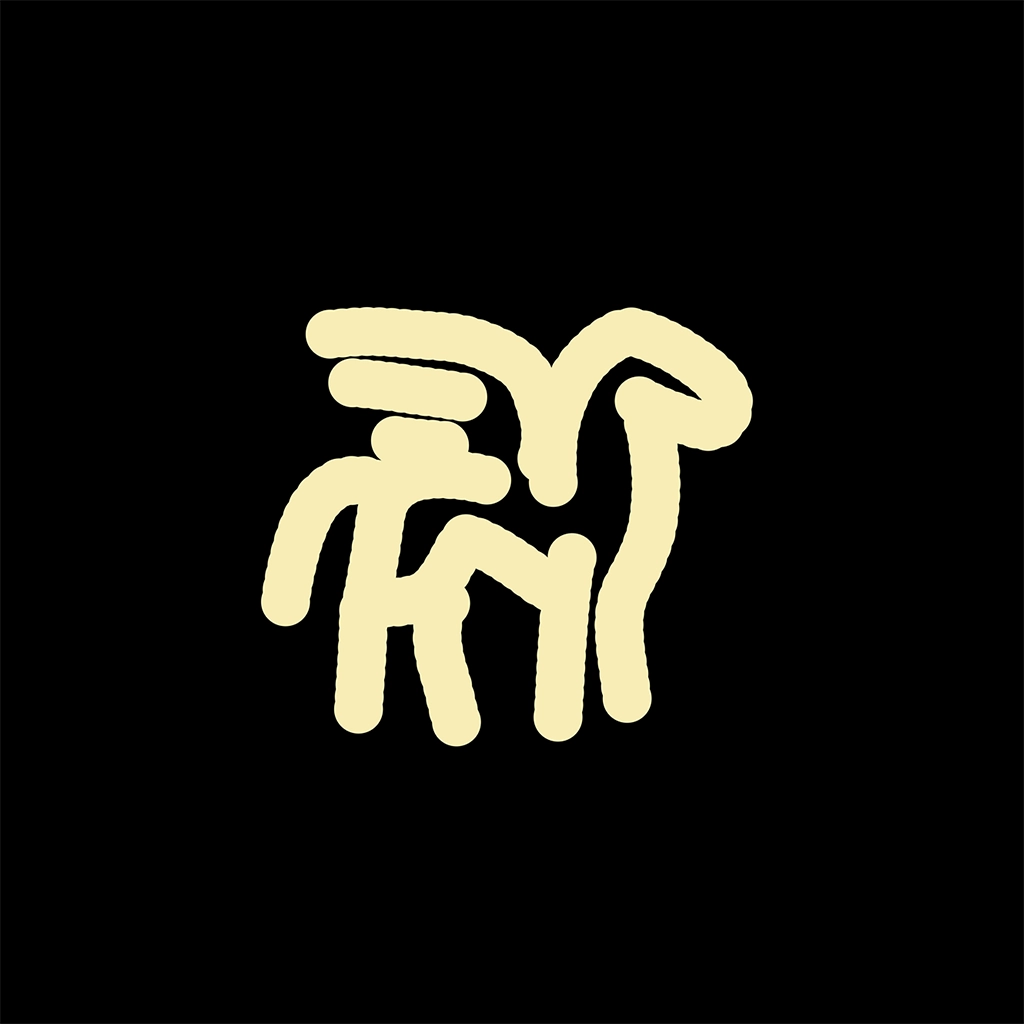
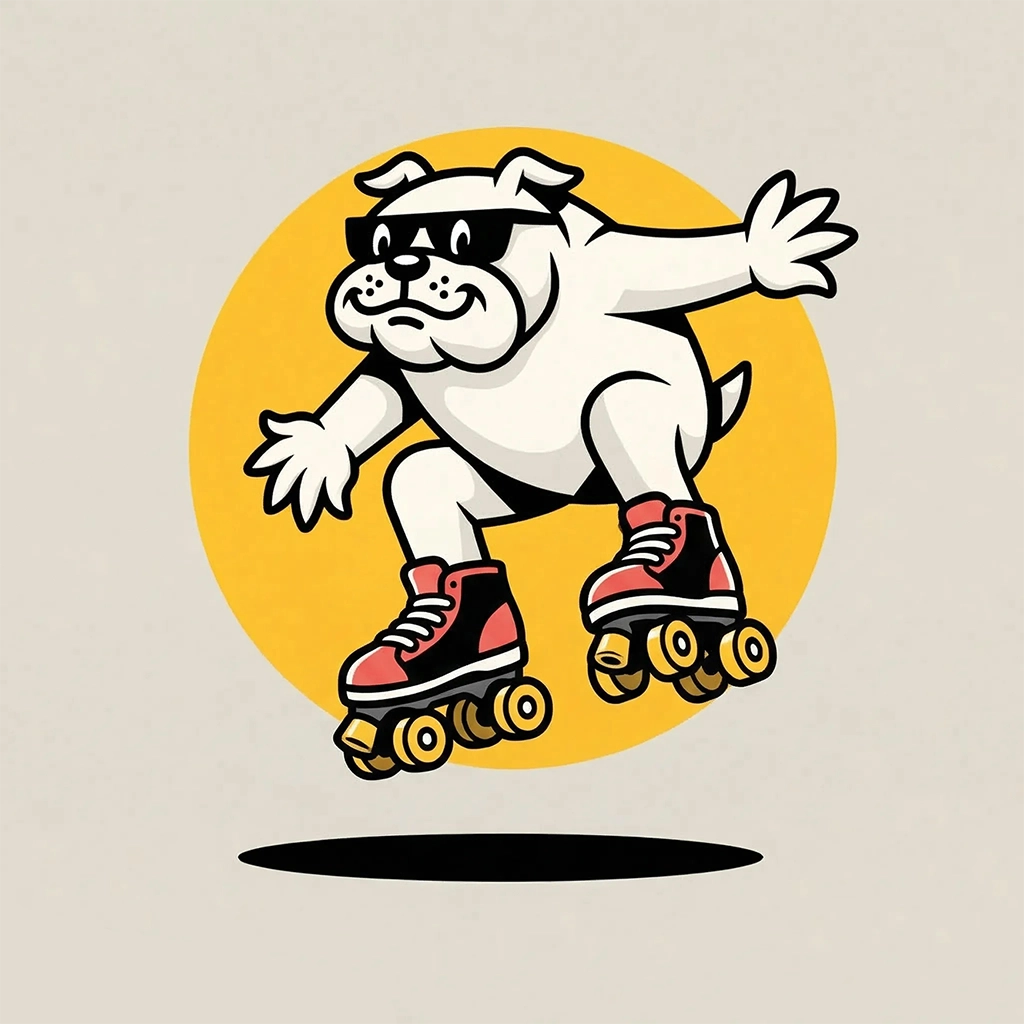
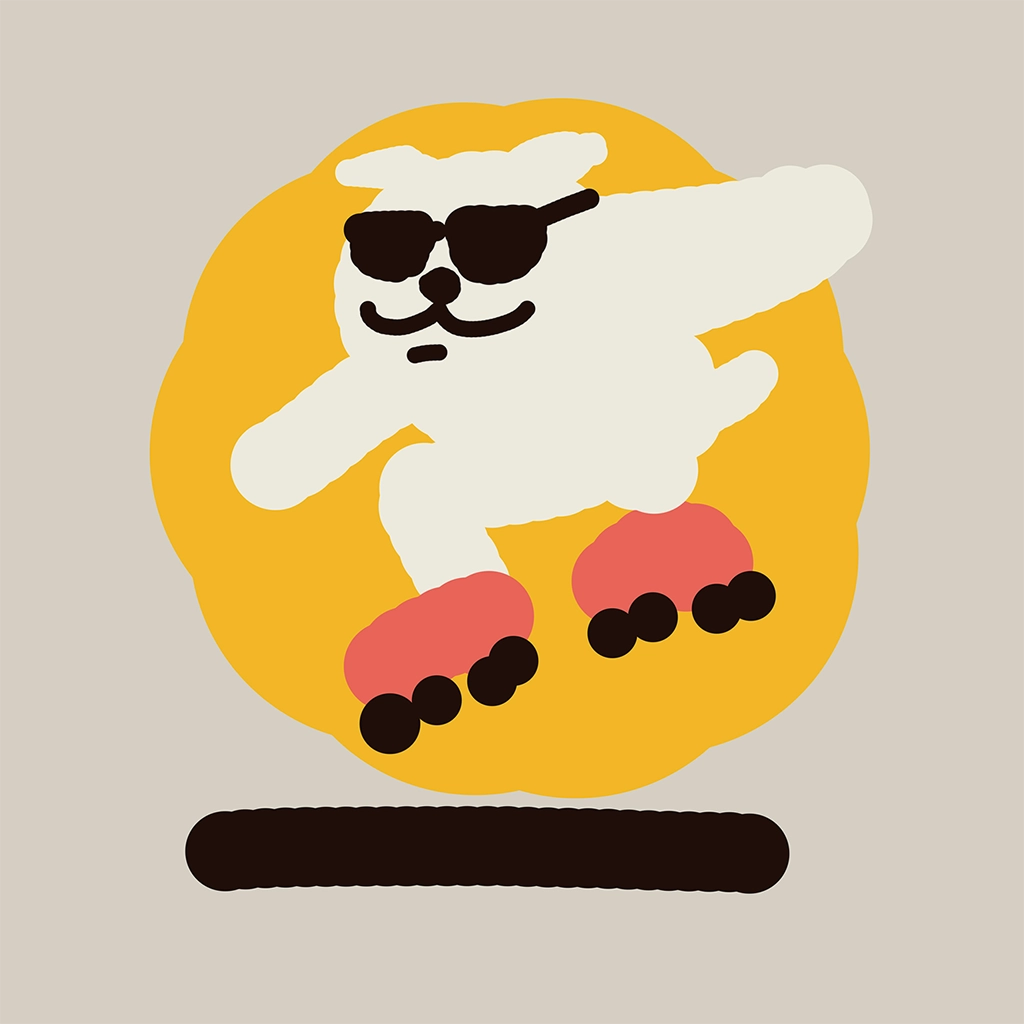
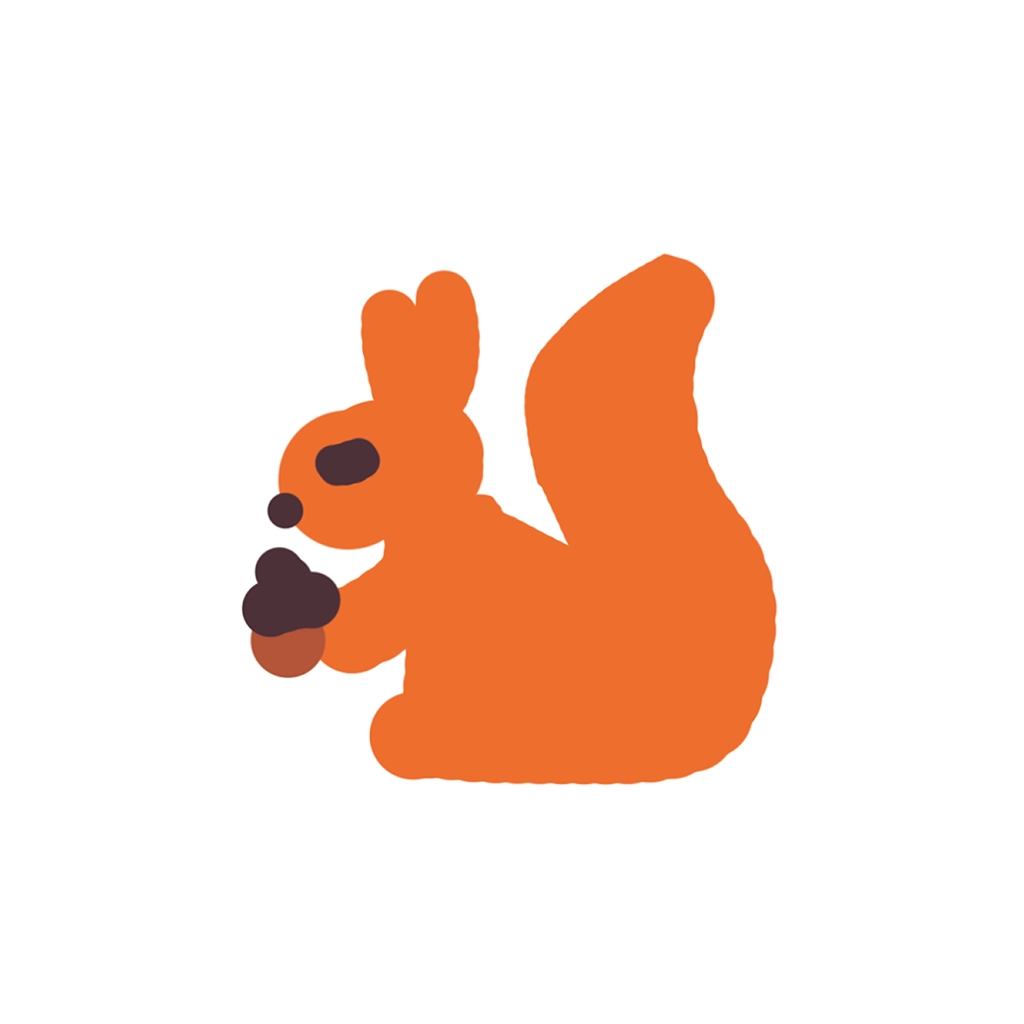
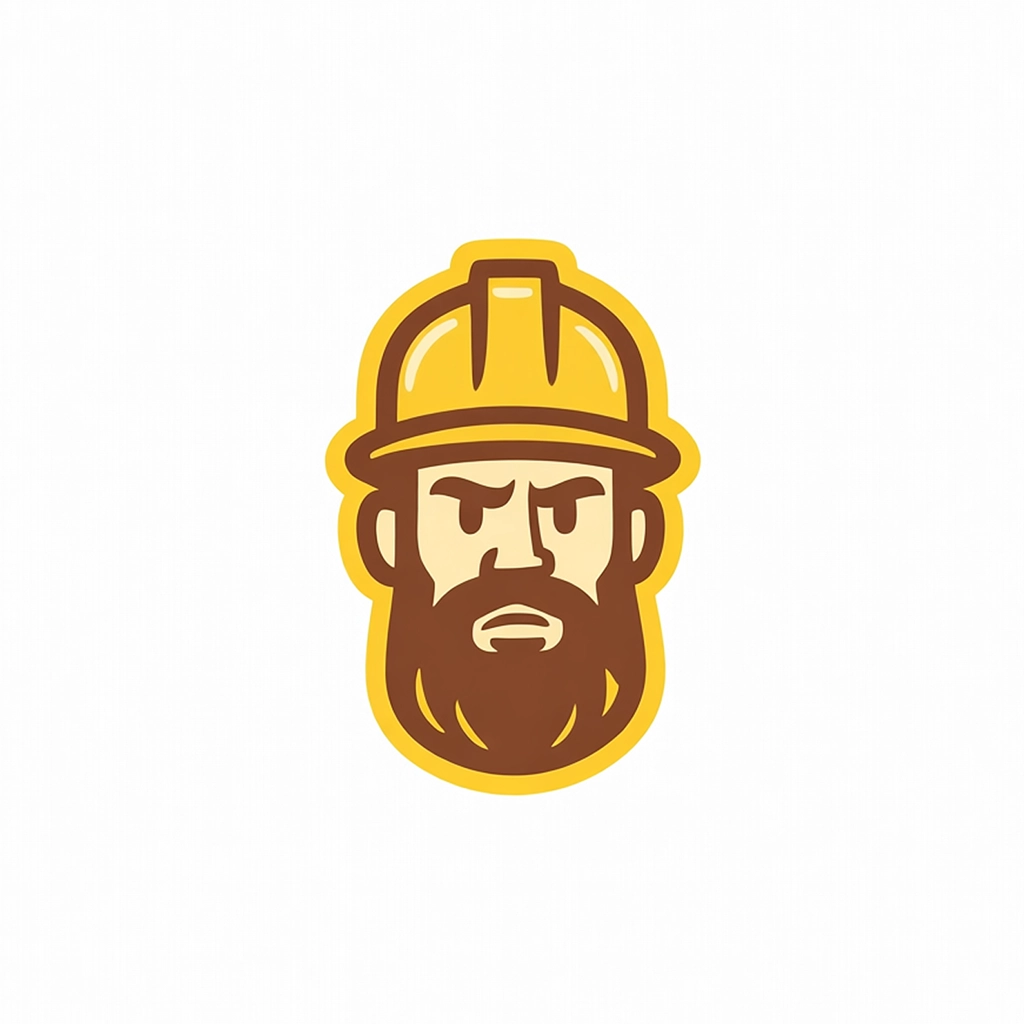
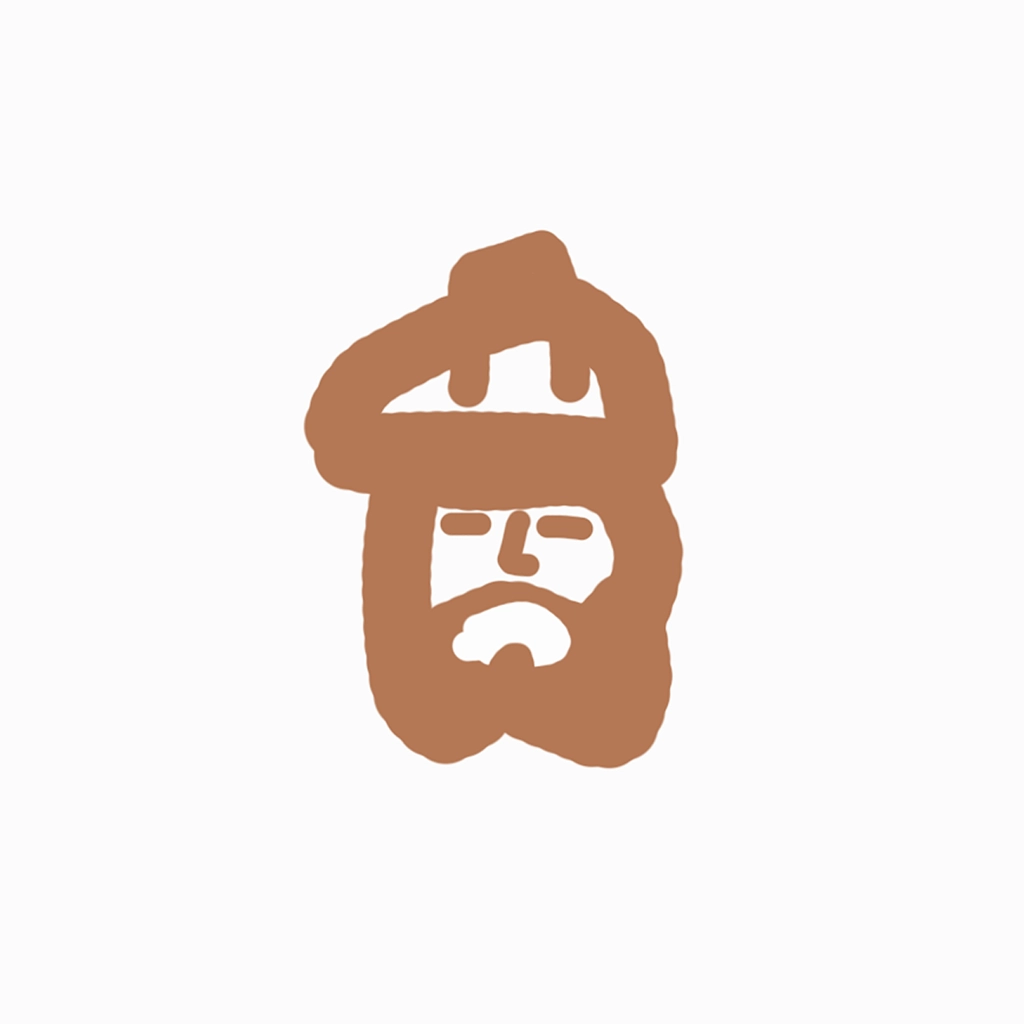
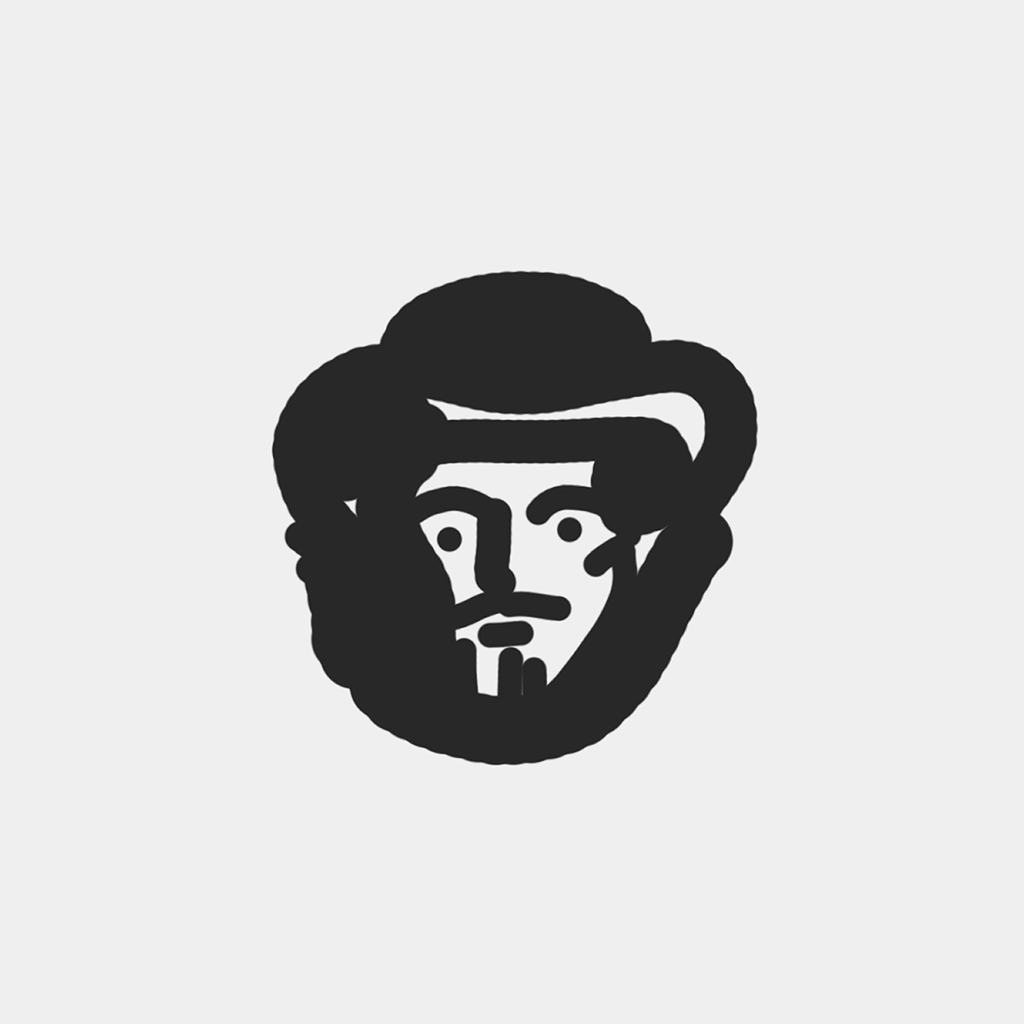
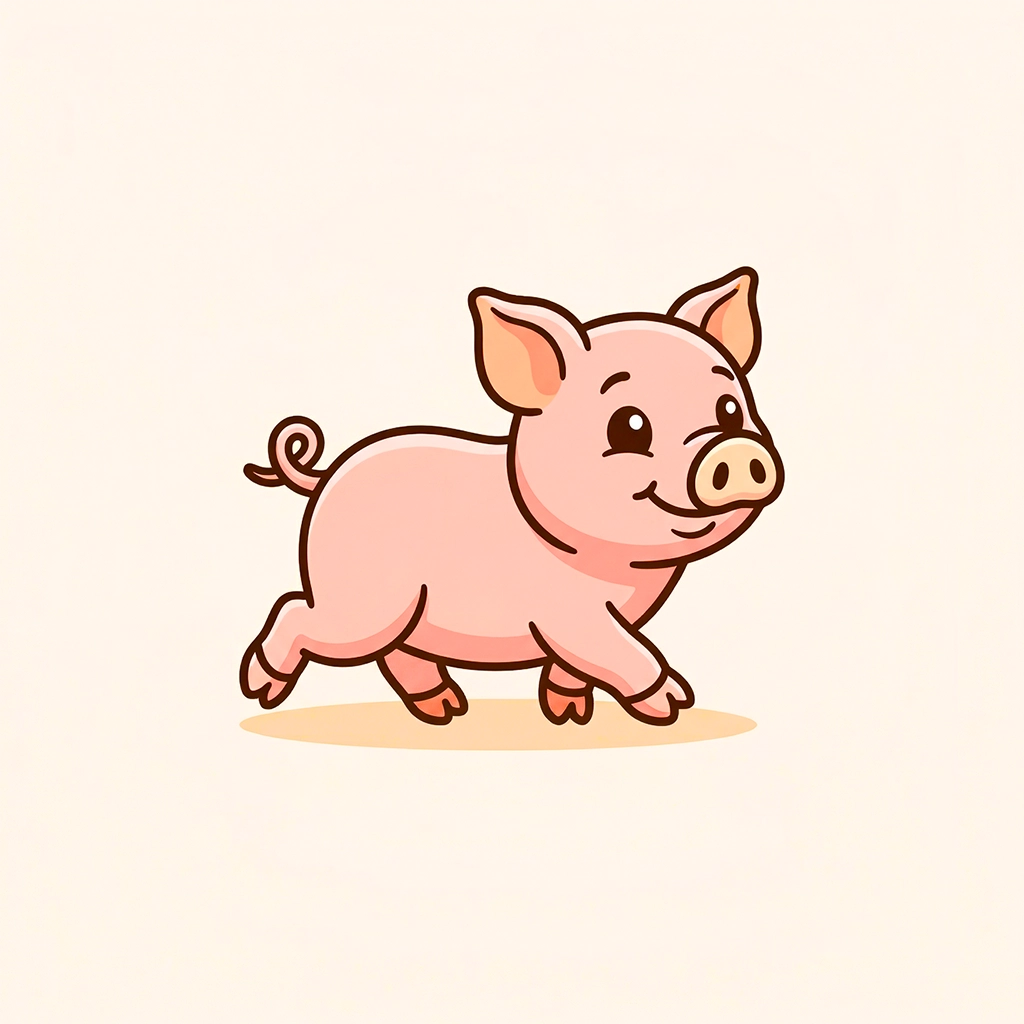
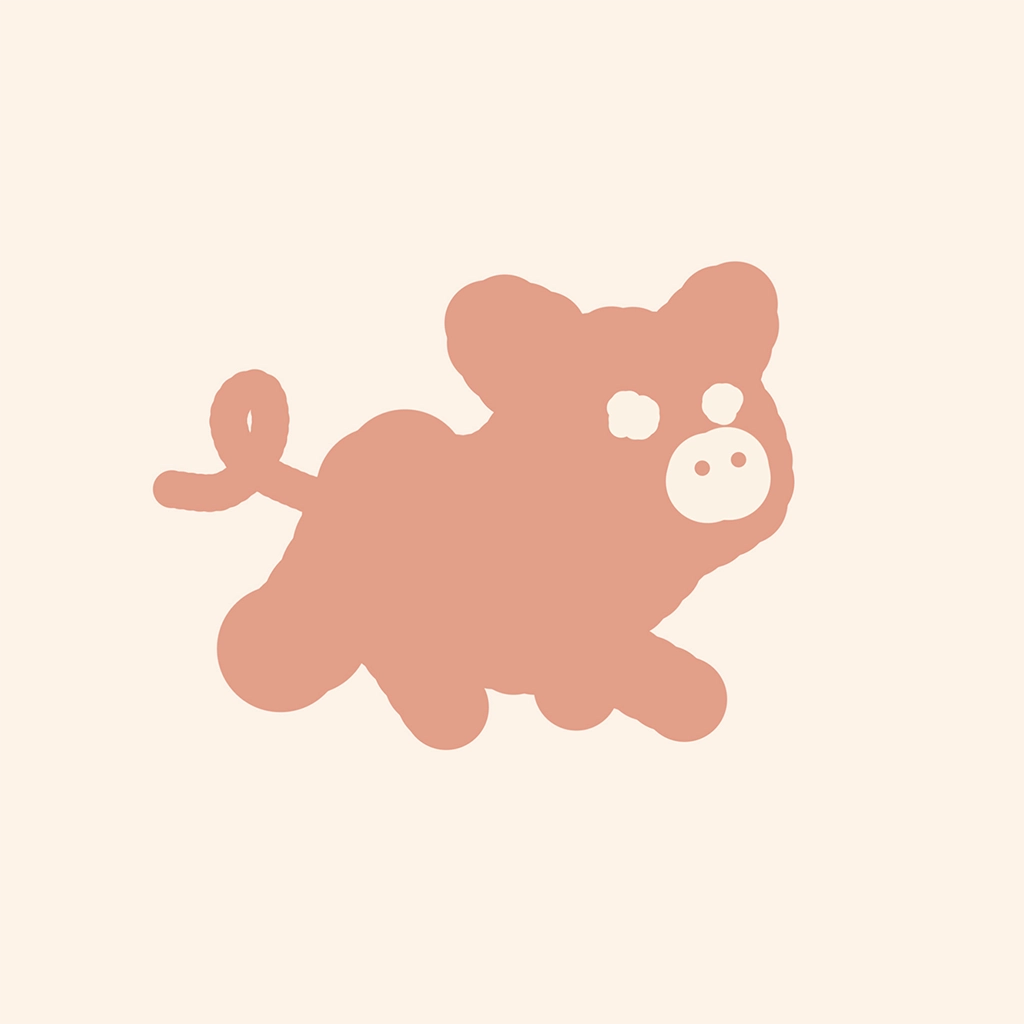
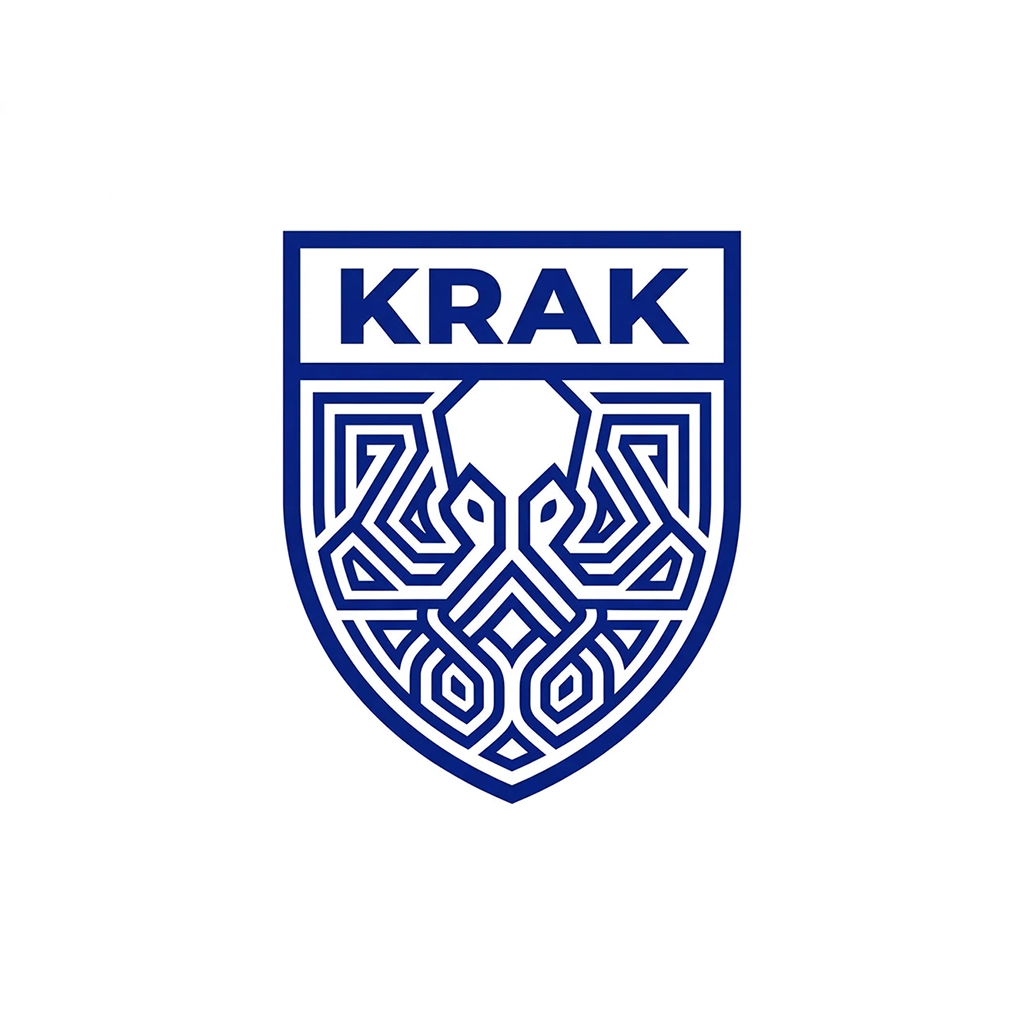
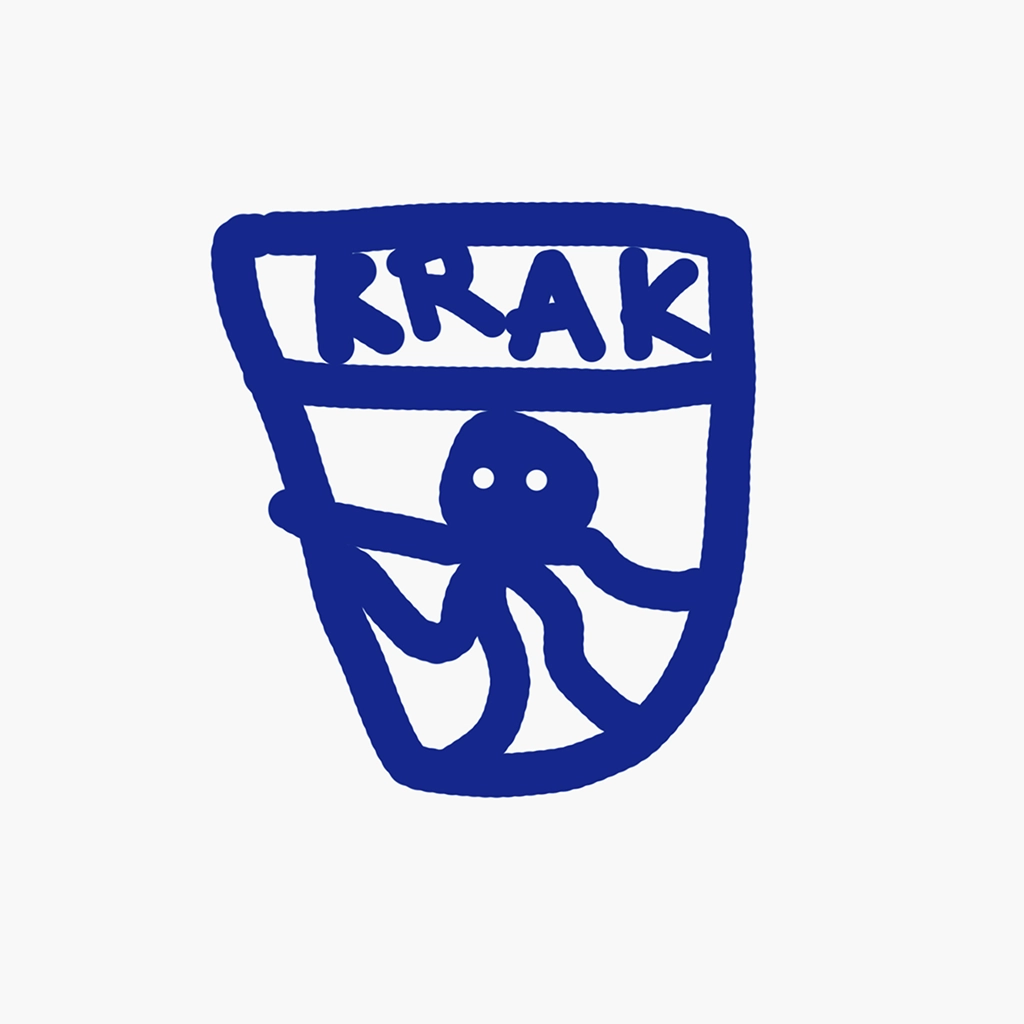
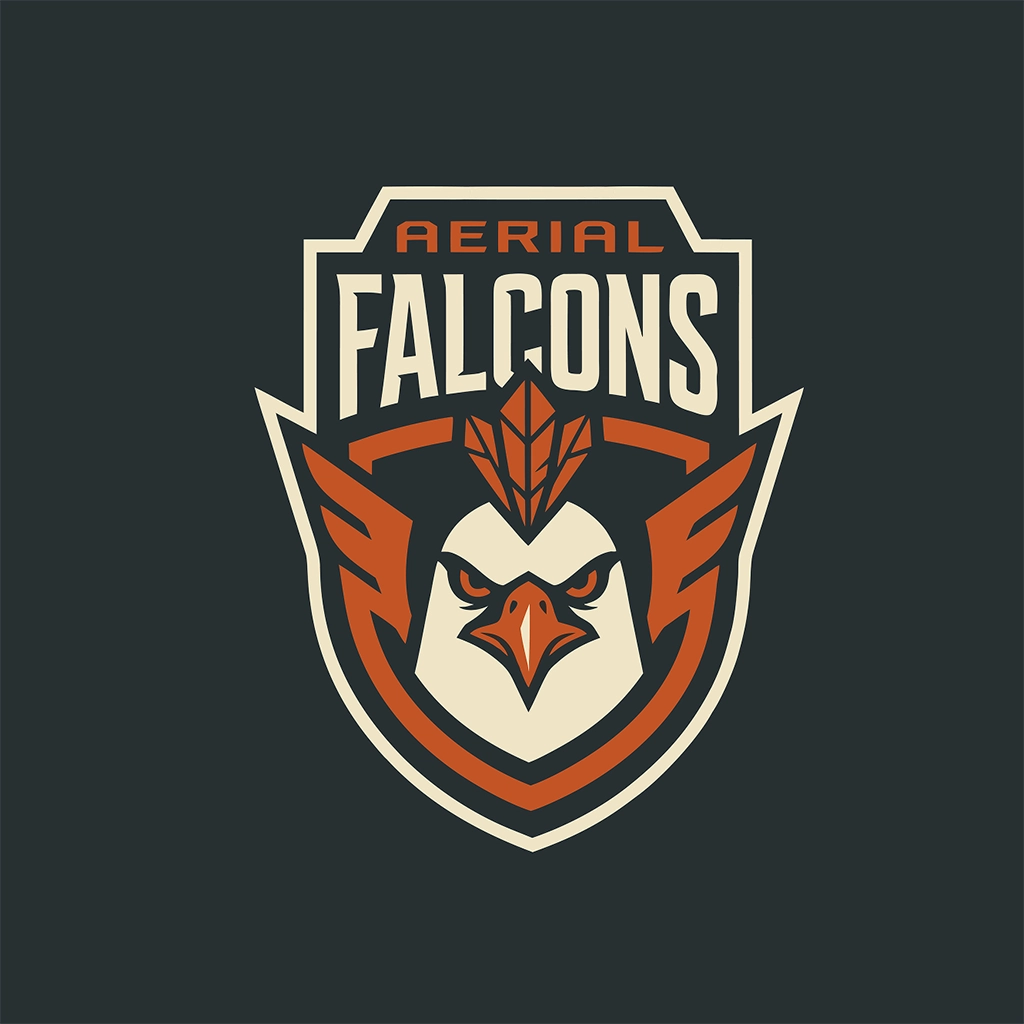
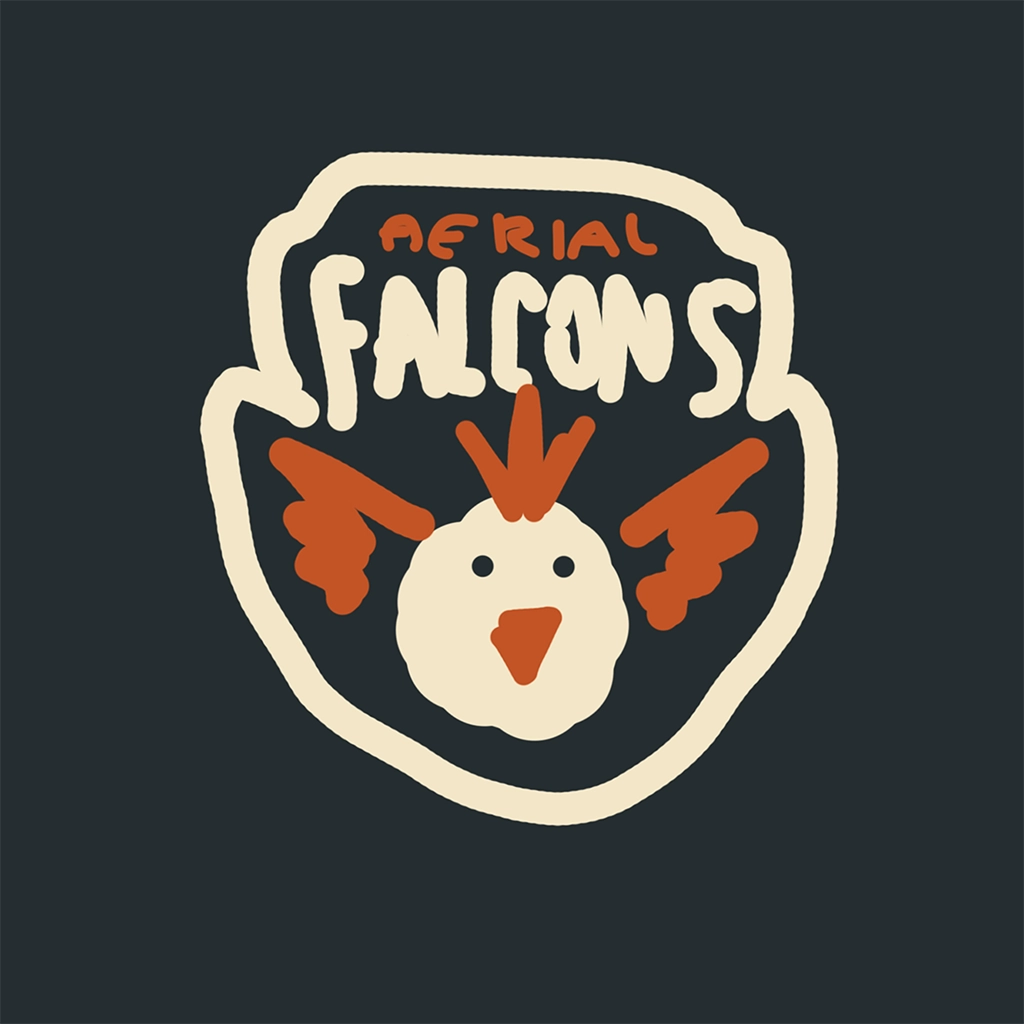
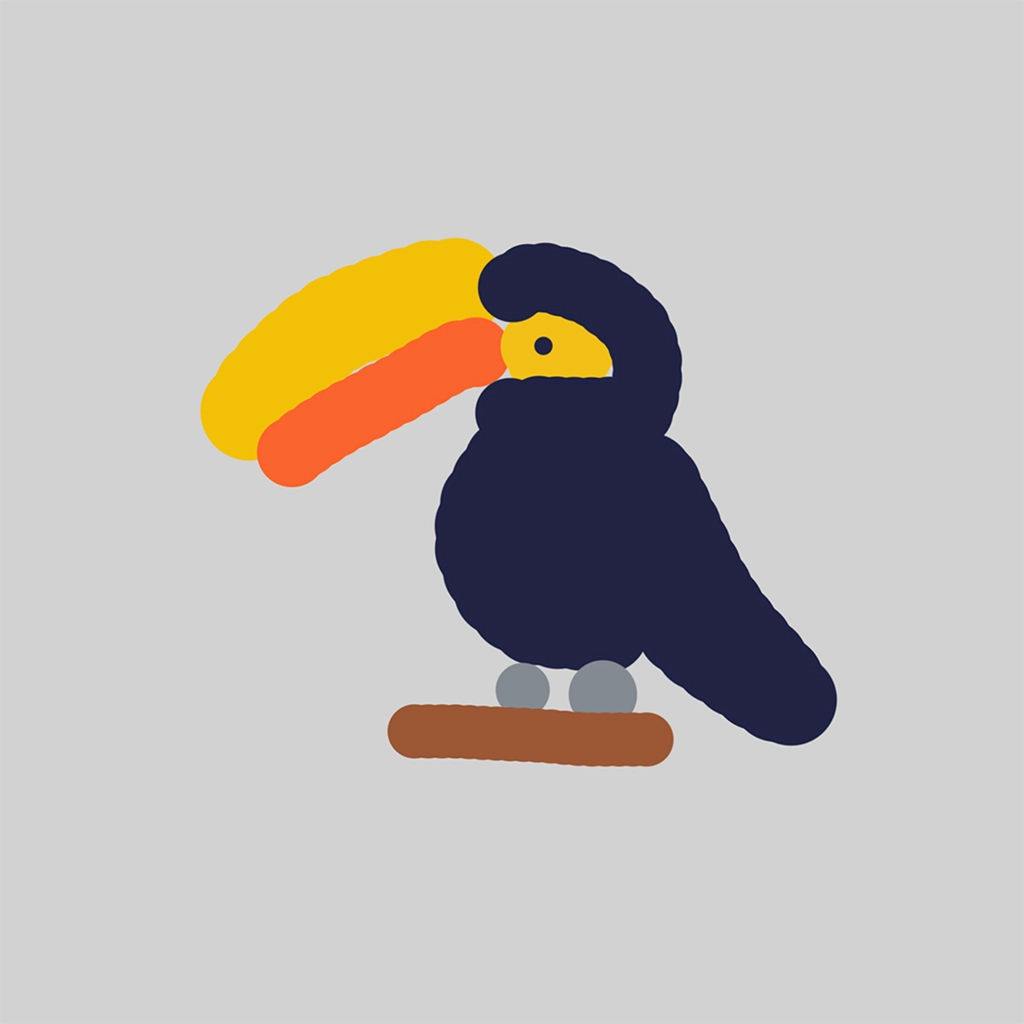
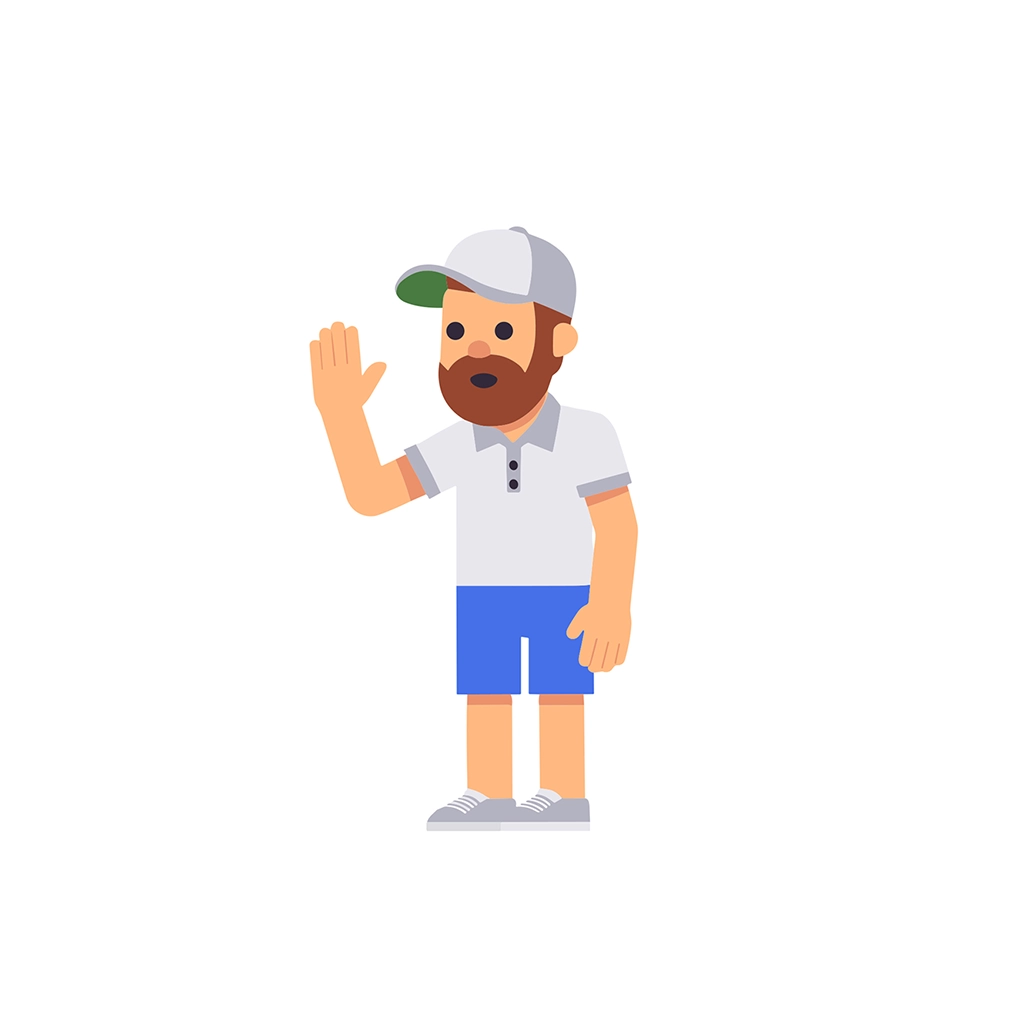
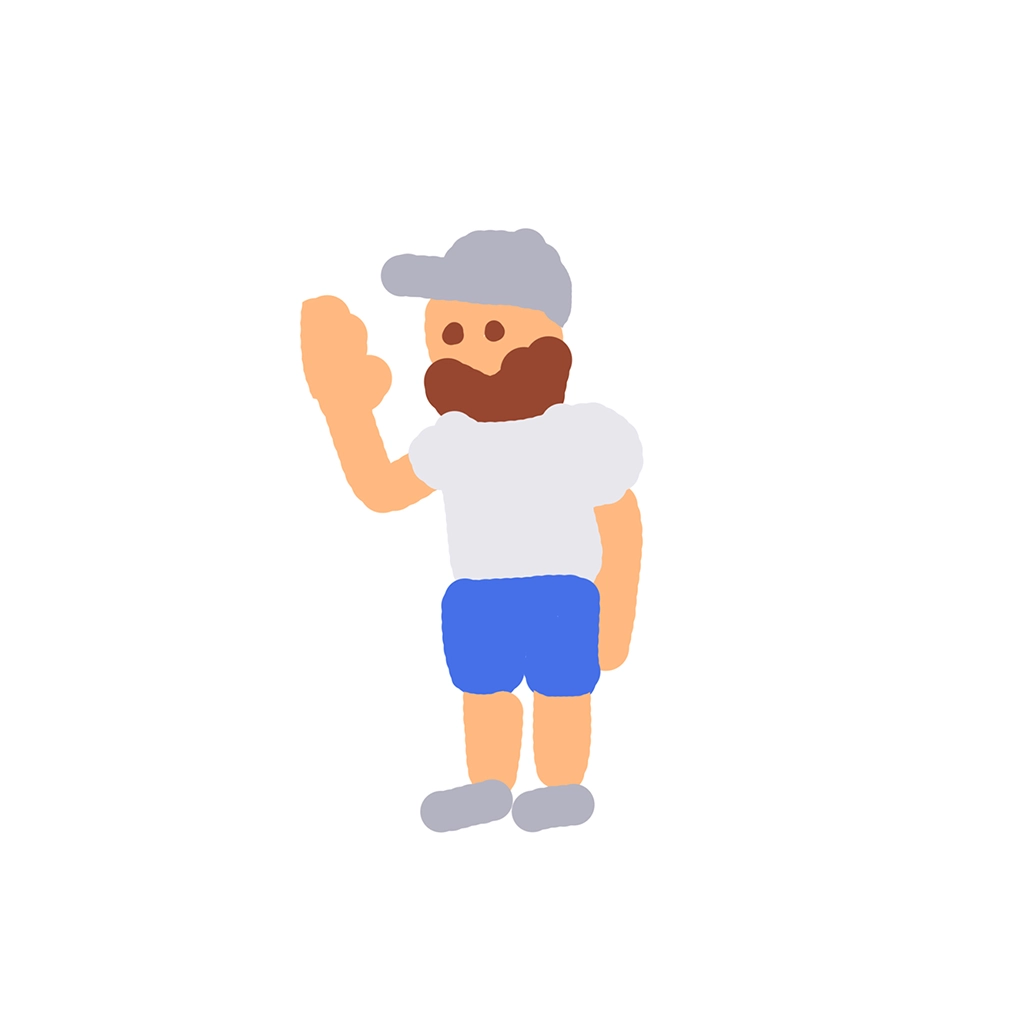
Sketch To Logo
Start with a sketch, AI handles the rest.

Step 1
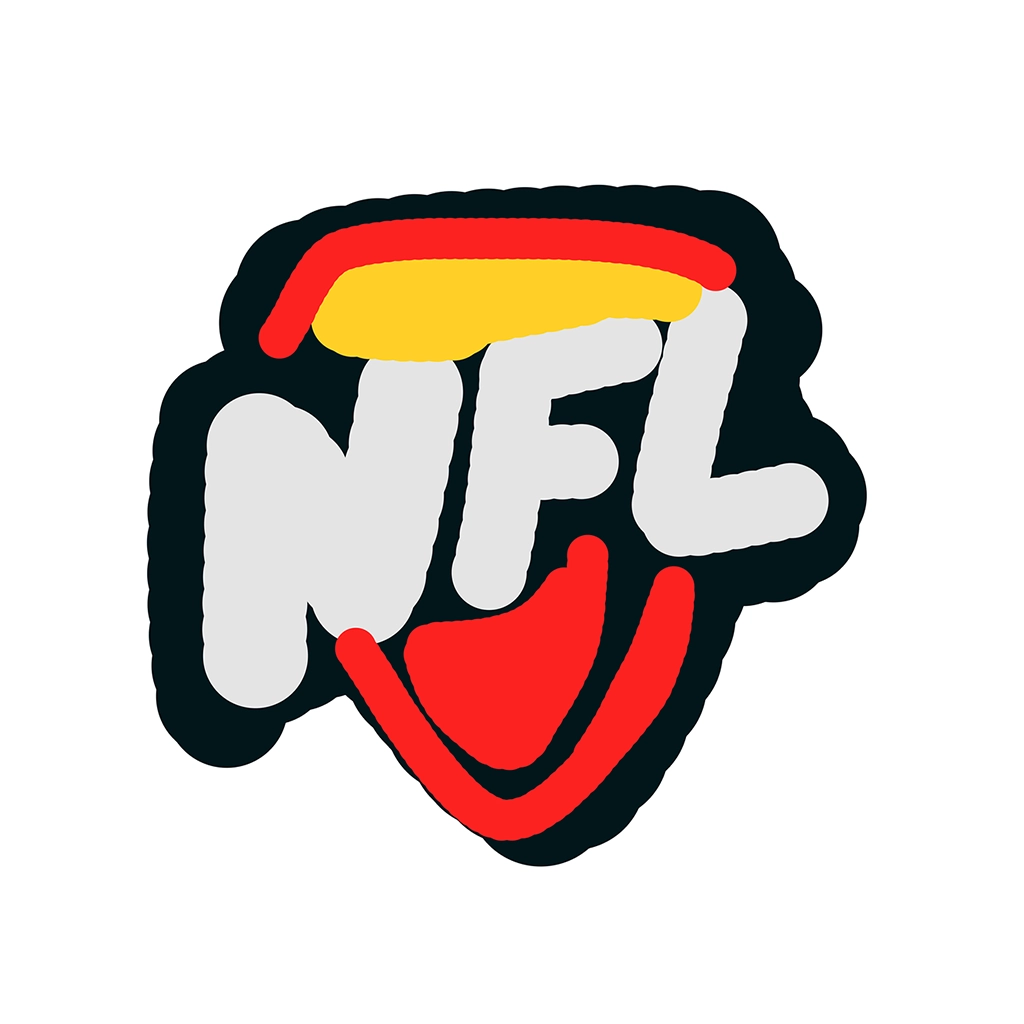
Sketch in the editor
Draw your idea directly on the canvas.

Step 2
Generate with AI
AI turns your sketch into multiple logo options.

Step 3
Choose & refine
Pick a logo and fine-tune the details.
Try Sketch to Logo
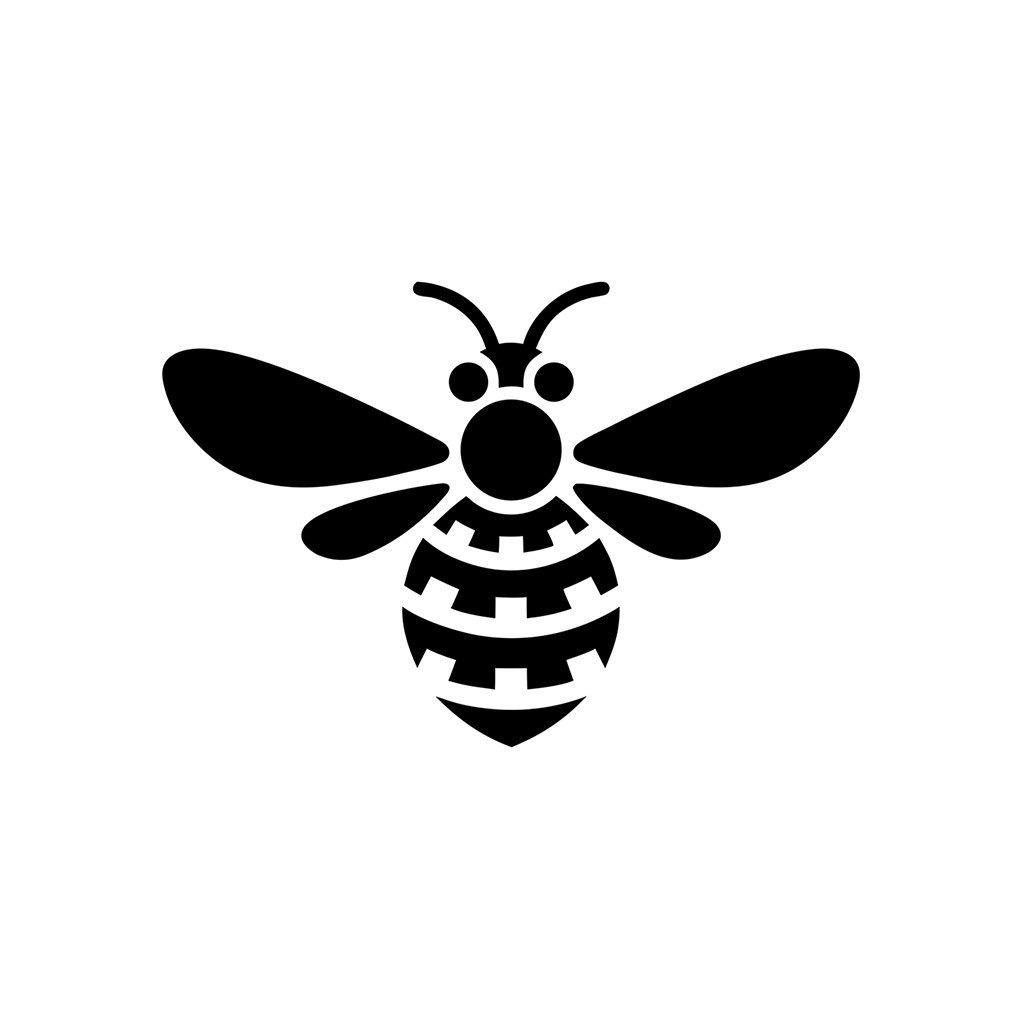
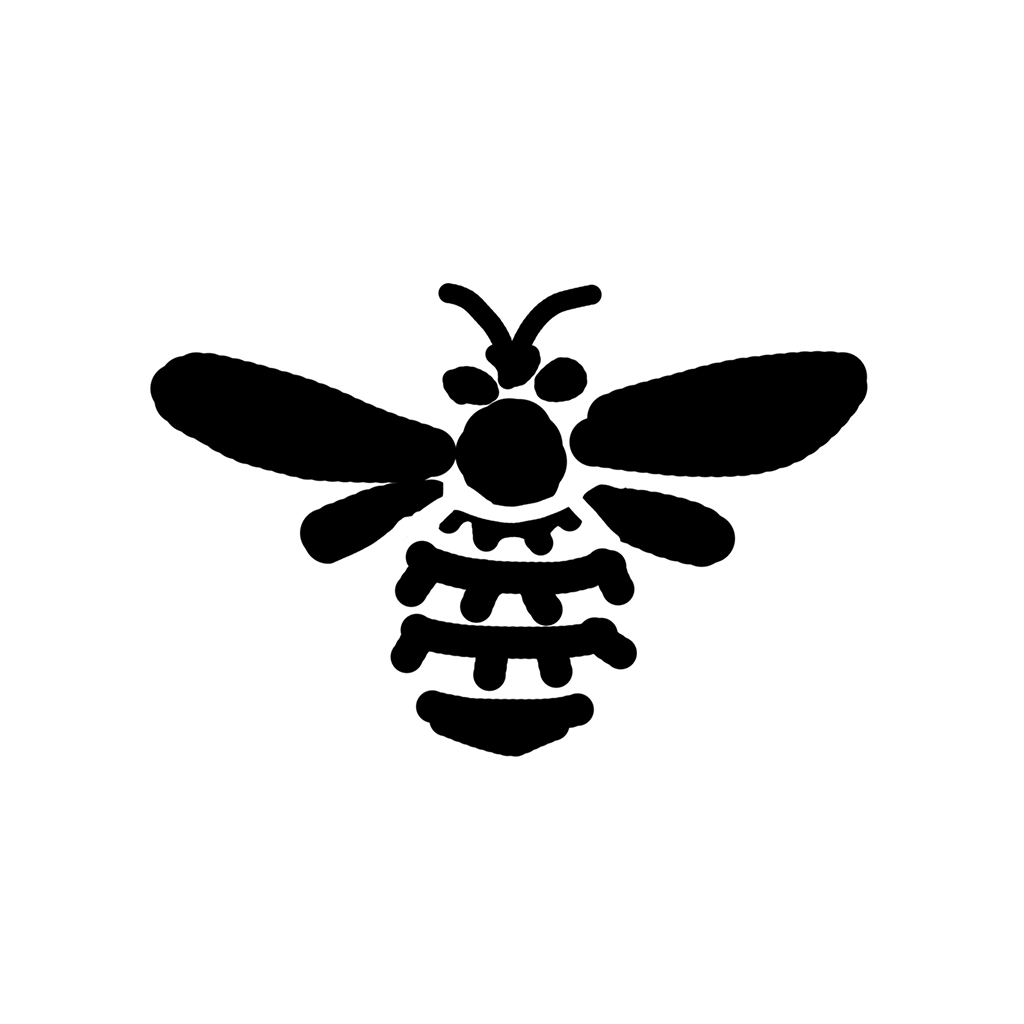






.webp)


Pictorial
Logotype
Mascot
Monogram
Engraved
Line Art
Retro
Cartoon
Badge
ABSTRACT
Flat
Image to Logo
Redesign logoswith text prompts.

Step 1
Upload an existing image
Start with a photo, image, or existing logo.

Step 2
The AI creates options from your image.
Add a text prompt to control the design, or skip it.

Step 3
Review and refine
Review generated options and refine the best result.
Try Image to Logo
.webp)
.webp)
.webp)
.webp)
.webp)
.webp)
.webp)
.webp)
.webp)
.webp)
.webp)
.webp)
.webp)
.webp)
.webp)
.webp)
.webp)
.webp)
.webp)
.webp)
.webp)
.webp)
.webp)
.webp)
.webp)
.webp)
.webp)
.webp)
.webp)
.webp)
.webp)
.webp)
.webp)
.webp)
.webp)
.webp)
.webp)
.webp)
.webp)
.webp)
.webp)
.webp)
.webp)
.webp)
.webp)
Pictorial
Mascot
Engraved
Line Art
Retro
Flat
Cartoon
ABSTRACT
THE DIFFERENCE
Hours of manual work.
Or two minutes with AI.
Every time a client sends a JPG, you spend 45 minutes turning that image to vector. The AI does it in one click.
Feature
Logo Diffusion
Manual Workflow
Sketch to first concepts
2 minutes
1–4 hours
Style variations
45+ styles, one click
Redraw each one
Logo fidelity
Sketch stays recognizable
Manual redraw
Vector export
Clean SVG, automatic
Manual tracing
Refinement
Built-in editor
Switch between tools
Output formats
5-minute onboarding
Years of practice
Logo Diffusion
Sketch to first concepts
2 minutes
Style variations
45+ styles, one click
Logo fidelity
Sketch stays recognizable
Vector export
Clean SVG, automatic
Refinement
Built-in editor
Learning curve
5-minute onboarding
Manual / Auto-Trace
Sketch to first concepts
1–4 hours
Style variations
Redraw each one
Logo fidelity
Manual redraw
Vector export
Manual tracing
Refinement
Switch between tools
Output formats
Years of practice
Try It Free
Free plan available. No credit card required.
Pricing
Pick the plan that fits your workload
Every credit works in every tool — generate, edit, and export
during your plan. Cancel anytime. Your logos stay yours.
during your plan. Cancel anytime. Your logos stay yours.

FREE
$0
/ month
Try the real thing — generate and explorebefore you spend a dollar.

24 Credits/mo · ~12 logos
Image to Logo · 3 of 8 styles
Magic Editor & Mockup Gen · Base models

Public generations
No vector export
Watermarked downloads at 512x512
No commercial rights
BASIC
$24
/ month
Good for exploring ideas or doing 1–2 logoprojects a month.
1,000 credits/mo · ~500 logos
Unlimited downloads
Vectorizer · up to 200 exports
Background remover & in-app editor
Magic Editor & Mockup Gen · all models
Commercial license & private generation
PRO
$49
/ month
For designers and freelancers doing 3–5 client projects a month.
2,500 credits/mo · ~1,250 logos
3 generations at the same time
Vectorizer · up to 500 exports
2× and 4× creative upscales
Magic Editor & Mockup Gen · all models
Commercial license & private generation
ELITE
$99
/ month
For agencies and teams with high-volume output.
6,000 credits/mo · ~3,000 logos
4 generations at the same time
Vectorizer · up to 1,200 exports
2× and 4× creative upscales
Magic Editor & Mockup Gen · all models
Commercial license & private generation

Not ready for a subscription? Get the Starter Pack.
1,500 credits · 6 downloads · all tools · valid 90 days

Upgrade within 7 days → the $59 applies as credit
$59
one-time
Get starter pack
Compare all 4 plans

Free
$0
Basic
$24/mo
Pro
Popular
$49/mo
Elite
$99/mo
Usage & credits
Credits
24
per month
1,000
per month
2,500
per month
6,000
per month
Text to Logo generations
2 cr / generation
~12
~500
~1,250
~3,000
Downloads
0
Unlimited
Unlimited
Unlimited
Generations at the same time
1
2
3
4
Creative tools
Image to Logo
5 cr / generation
~4 / mo
3 of 8 styles
up to 200
all 8 styles
up to 500
all 8 styles
up to 1,200
all 8 styles
Vectorizer exports
5 cr · HQ 8 cr
—
up to 200
or 125 HQ
up to 500
or 312 HQ
up to 1,200
or 750 HQ
Background remover
2 cr / image
—
up to 500
up to 1,250
up to 3,000
Creative upscaler
2× 5 cr · 4× 20 cr
—
up to 200
2× only
up to 500
2× · or 125 4×
up to 1,200
2× · or 300 4×
Magic Editor
Base
models
Base + Pro
models
Base + Pro
models
Base + Pro
models
Mockup generator
Base
models
Base + Pro
models
Base + Pro
models
Base + Pro
models
Professional rights
Mockup generator
—
Commercial use license
—
Private image generation
—


50M+
Logos generated by AI
45+
AI-trained design styles
1.4M+
Creators worldwide
100%
Original AI output
TESTIMONIALS
From sketch to shipped.
"I sketch all my logo concepts on paper first. Being able to upload those sketches and get back polished directions in seconds completely changed my workflow."

Jake Moreno
Freelance Brand Designer
"The sketch-to-logo feature is the reason I subscribed. I drew a rough mascot concept on my iPad, uploaded it, and had 6 polished variations in under a minute. My client thought I'd spent all weekend on it."

Nina Vasquez
Logo Designer · 8 yr exp.
"A sketch forces structure. I get much better results starting from a rough drawing than from a text prompt alone. This tool was built for how I actually work."

Raj Patel
Creative Director
FAQS
Questions before you try?
How does Logo Diffusion's sketch to logo AI work?
Logo Diffusion's sketch to logo tool takes a rough drawing (sketched in the built-in editor or uploaded as an image) and turns it into polished, production-ready logo concepts. The AI reads the shapes and structure of your sketch, then generates multiple finished versions across any of the 45+ available styles. Your sketch stays recognizable in the output, which is the key difference from text-to-logo tools where you're starting from a blank description. Even a napkin drawing or a shaky phone sketch works as input.
Do I need drawing skills to use Logo Diffusion's sketch to logo?
No. Logo Diffusion's AI is trained to interpret rough, imprecise sketches, not finished illustrations. A basic shape drawn with a mouse, a stick-figure-level concept, or a photo of a pen-on-napkin drawing all work as valid input. The AI infers what you meant, not what you drew perfectly. The learning curve is about 5 minutes, compared to years of practice for the manual workflow. The rougher your sketch, the more creative freedom the AI takes with the final result.
How is Logo Diffusion's sketch to logo different from drawing a logo manually?
The manual workflow takes 1–4 hours from sketch to first concepts, requires redrawing for each style variation, and needs separate tools for vector export. Logo Diffusion's sketch to logo generates polished concepts in about 2 minutes, applies 45+ styles with one click (no redrawing), and exports clean SVG automatically. Logo fidelity is the other difference: your sketch stays recognizable through the AI's output, so you're refining a concept, not starting over.
What logo styles can I generate from a sketch in Logo Diffusion?
Logo Diffusion offers 45+ AI-trained styles you can apply to any sketch: pictorial, logotype, mascot, monogram, engraved, line art, retro, cartoon, badge, abstract, flat, and more. The same sketch produces a completely different finished logo in each style, which means one rough drawing gives you dozens of directions to present. Most sketch-to-logo workflows require you to redraw for each style. Logo Diffusion lets you test all of them without picking up the pen again.
Can I export Logo Diffusion's sketch to logo results as vector files?
Yes, on any paid Logo Diffusion plan. Every generated logo exports as a clean SVG with proper vector paths, ready to open in Illustrator, Figma, or Affinity Designer. PNG export with transparency is also available. The manual equivalent of this step (tracing a sketch into vector) typically takes longer than the sketching itself. Logo Diffusion skips it entirely, the vector export is automatic. Free plan users can generate and preview but get watermarked downloads without vector export.
Is Logo Diffusion's sketch to logo feature free to use?
Yes, you can start free. Logo Diffusion's free plan gives you 24 credits per month (roughly 12 logos), access to all 45+ styles, and the full built-in sketch editor, no credit card required. Free plan outputs come with a watermark and don't include vector export or commercial licensing. Paid plans start at $24/mo with clean SVG exports, commercial rights, and higher volume. The quality of the AI generation is identical across all plans, only export access changes.
Can I use logos made with Logo Diffusion's sketch to logo commercially?
Yes, on any paid Logo Diffusion plan. The commercial license covers logos you generate from sketches for client projects, business branding, packaging, merchandise, websites, and any other commercial use. You own the output files. Free plan outputs include a watermark and don't carry commercial rights. One edge case: if your sketch is based on someone else's existing logo or copyrighted design, Logo Diffusion's license covers the AI-generated output, not the intellectual property of the original reference.
Does Logo Diffusion's sketch to logo preserve my original sketch structure?
Yes, and this is what separates Logo Diffusion's sketch to logo from text-to-logo generation. The AI uses your sketch as a structural blueprint: the shapes, proportions, and layout you drew carry through into the finished logo. It refines, not replaces. If you sketch a bear inside a circle, you get a polished bear inside a circle, not a random reinterpretation. The fidelity slider lets you control how closely the output follows your original drawing versus how much creative freedom the AI takes.

Draw it rough.
Get it polished.
Upload a sketch. Get logo directions in seconds. The AI does the work you used to spend hours on.

Generate real logos from text, sketches, or images. Edit, vectorize, and export in one app.

Social Profiles


